How to Document Plumbing Damage for an Insurance Claim

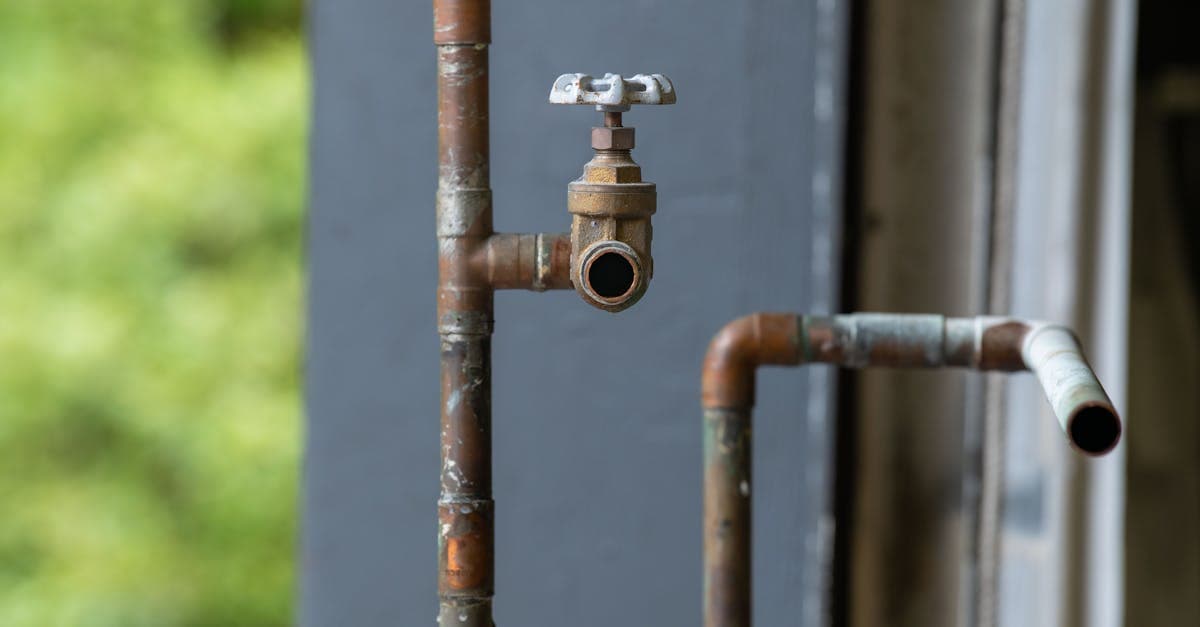
You come home from work to find water pooling in your hallway. The sound of running water leads you to the bathroom, where a supply line to the toilet has split and water has been flowing for hours. The bathroom floor is saturated, water has seeped through to the ceiling below, and the drywall is already swelling.
Let's break this down further. This scenario plays out in thousands of homes every year, and homeowners insurance typically covers the resulting damage. The sudden failure of the supply line is an accidental event, and the water damage to your floors, ceilings, and walls is a covered loss under your dwelling coverage.
But change one detail and the outcome changes completely. If that supply line had been slowly leaking for months, leaving water stains you noticed but ignored, the insurer would likely deny the claim. Gradual damage that a homeowner could have prevented through reasonable maintenance is excluded from coverage.
This is respecting water's power to reshape your financial landscape in minutes. The difference between a covered loss and a denied claim often comes down to how and when the plumbing failure occurred. Understanding this distinction before you face a plumbing emergency helps you respond correctly, document effectively, and present a claim that your insurer will approve.
Sewer Backup Coverage: The Critical Gap in Standard Policies
Let's break this down further. Standard homeowners insurance policies exclude sewer and drain backup damage. This exclusion is one of the most significant coverage gaps in residential insurance because sewer backups are common, destructive, and expensive to remediate.
Why sewer backup is excluded: Insurers exclude sewer backup from standard policies because the risk varies dramatically by property. Homes on older municipal sewer systems, in areas with combined storm and sanitary sewers, or in low-lying areas face much higher backup risks. Rather than pricing this risk into every policy, insurers offer it as an optional endorsement.
The sewer backup endorsement: Most insurers offer a sewer and drain backup endorsement for an additional annual premium, typically between $40 and $100. This endorsement covers damage to your home and belongings caused by water that backs up through sewers, drains, or sump pump failures. Coverage limits usually range from $5,000 to $25,000.
What the endorsement covers: Sewer backup coverage pays for cleanup and decontamination, damaged flooring and drywall, destroyed personal property, and the associated restoration costs. Given that the average sewer backup claim exceeds $10,000, this affordable endorsement provides essential protection.
Sewer backup vs flooding: Insurance distinguishes between sewer backup — water entering through drains from below — and flooding, which is surface water entering from outside. Flood damage requires separate flood insurance. If heavy rain causes both sewer backup and surface flooding simultaneously, the claims may involve both your sewer backup endorsement and your flood policy.
Sump pump failure: If your sump pump fails and water backs up into your basement, this is typically treated as a sewer or water backup event covered by the endorsement, not by your standard policy. Adding a battery backup sump pump provides both physical protection and supports your claim by demonstrating reasonable maintenance.
What Homeowners Insurance Does Not Cover for Plumbing
Think of it this way. Understanding plumbing exclusions is just as important as understanding covered perils. These exclusions define the boundaries of your coverage and identify gaps you may want to fill with endorsements or preventive maintenance.
Gradual deterioration: Pipes that corrode slowly, joints that weep over time, and fixtures that develop slow leaks are excluded as maintenance responsibilities. The insurer considers these failures preventable through reasonable homeowner attention and upkeep.
The plumbing system itself: Standard policies cover damage caused by plumbing failures but not the cost of repairing or replacing the failed plumbing. A burst pipe creates a covered water damage claim, but the plumber's bill to replace the pipe is your expense. This cause-versus-damage distinction applies to all plumbing components.
Sewer and drain backup: Without a separate endorsement, sewer and drain backup damage is excluded. This includes water entering your home through floor drains, toilets backing up due to sewer line blockage, and sump pump overflow.
Flood damage: Water entering your home from outside — rising groundwater, surface runoff, or overflow from bodies of water — is flood damage that requires separate flood insurance. Even if the external water enters through your plumbing system, it is classified as flood damage if the source is external surface water.
Negligence and deferred maintenance: If the insurer determines that you neglected obvious maintenance needs — ignored persistent leaks, failed to winterize during cold weather, or knew about plumbing problems and delayed repairs — the resulting damage may be excluded. Your policy requires you to maintain your home in reasonable condition.
Wear and tear: The natural aging of plumbing materials — corrosion, mineral buildup, gasket deterioration — is excluded. While these processes eventually cause failures, the deterioration itself is not a covered event. Only the sudden consequences of that deterioration may qualify for coverage.
Documenting Plumbing Damage for Maximum Claim Recovery
Let's break this down further. The quality of your documentation directly affects your plumbing damage claim outcome. Thorough records from the moment of discovery through the completion of repairs create the evidence base your insurer needs to process a fair settlement.
Immediate photographic evidence: Before touching anything, photograph the source of the leak, the water spread pattern, water levels on walls, damaged materials, and affected personal property. Use a systematic approach — wide shots of each affected room, then close-ups of specific damage. Include a reference object for scale in photographs of water depth or damage extent.
Video walkthrough: Record a narrated video walking through the affected areas. Describe what you see, when you discovered the damage, and what the conditions were. Video captures context and spatial relationships that individual photographs cannot convey and provides a timestamped record of conditions at discovery.
Timeline documentation: Write down the timeline of events — when you last saw the area undamaged, when you discovered the problem, when you shut off the water, when you called the plumber, and when you contacted your insurer. A clear timeline supports the sudden nature of the event and demonstrates prompt response.
Professional assessments: Collect written reports from the plumber who diagnosed the failure, the water damage restoration company, and any mold inspectors. These professional opinions about the cause, extent, and nature of the damage carry significant weight in claim determinations.
Expense tracking: Keep every receipt related to the plumbing damage — emergency plumber fees, water extraction costs, temporary living expenses, replacement personal property, and any supplies purchased for mitigation. Organized expense records streamline the reimbursement process and ensure you recover all covered costs.
Mold Resulting from Plumbing Damage: Coverage and Limits
Think of it this way. Mold is a common secondary consequence of plumbing damage, and its coverage under homeowners insurance depends on the original cause and your policy's specific mold provisions.
When mold is covered: If mold develops as a direct result of a covered plumbing event — such as a burst pipe or sudden water heater failure — the mold remediation is typically covered as part of the original claim. The key is that the mold must result from a covered peril, not from neglect or a gradual leak.
Mold coverage limits: Many homeowners policies cap mold coverage at a specific amount — commonly $5,000 to $10,000 — regardless of the underlying cause. This means even if your plumbing damage claim is fully covered, the mold remediation costs may exceed your mold sub-limit. Check your policy for specific mold coverage limits.
When mold is excluded: Mold from gradual leaks, poor ventilation, or general humidity is excluded. If the plumbing damage itself is not covered — because it was gradual, maintenance-related, or excluded by policy terms — any resulting mold is also excluded. The mold coverage follows the underlying peril coverage.
Speed of response matters: The faster you dry water-damaged areas after a plumbing failure, the less likely mold will develop. Mold can begin growing within 24 to 48 hours of water exposure. Your duty to mitigate includes preventing mold growth through prompt water extraction, drying, and dehumidification. If mold develops because you delayed cleanup, the insurer may deny the mold portion of your claim.
Professional mold assessment: If you suspect mold after a plumbing event, hire a certified mold inspector before beginning remediation. The inspection report documents the extent of mold growth, identifies the moisture source, and provides evidence supporting your insurance claim. Remediating without documentation can weaken your ability to recover mold-related costs.
Plumbing Risks in Older Homes: What Insurance Expects
Let's break this down further. Homes with aging plumbing systems face the relentless force of water finding every crack and weakness in aging pipe systems that creates both higher failure risk and potentially more complex insurance considerations. Understanding how age affects your plumbing coverage helps you manage this risk proactively.
Common aging pipe materials: Homes built before 1960 may have galvanized steel supply pipes that corrode internally over decades. Homes from the 1970s through early 1990s may contain polybutylene supply pipes, which are prone to micro-fracturing. Older drain pipes may be cast iron, which eventually corrodes from the inside out. Each material has a different failure timeline and pattern.
Insurance implications of aging pipes: Having older pipes does not automatically void your coverage, but it increases scrutiny of claims. When a 60-year-old galvanized pipe fails, the insurer may investigate whether the failure was truly sudden or whether the pipe showed obvious signs of deterioration that should have prompted replacement.
Proactive inspection and documentation: Regular plumbing inspections in older homes create a maintenance record that supports future claims. Having a plumber document that your pipes are in serviceable condition — even if they are old — establishes a baseline that makes sudden failure claims more credible.
Repiping considerations: Some homeowners with aging plumbing choose to repipe their homes proactively. While insurance does not cover this preventive expense, repiping with modern materials reduces your failure risk, eliminates coverage concerns about aging pipes, and may positively affect your insurability.
Disclosure when buying or insuring: When purchasing an older home or renewing insurance, be transparent about known plumbing conditions. Some insurers restrict coverage for homes with certain pipe materials or require inspections before issuing policies. Understanding these requirements prevents coverage surprises.
Supply Line Failures: A Leading Cause of Water Damage Claims
Let's break this down further. Supply line connections to toilets, sinks, dishwashers, and washing machines are among the most frequent sources of plumbing damage claims in residential insurance. Understanding these failures is respecting water's power to reshape your financial landscape in minutes.
Why supply lines fail: Supply lines are flexible connectors that carry pressurized water from the plumbing system to individual fixtures and appliances. They are under constant pressure 24 hours a day, and they deteriorate over time. Rubber and polymer hoses are particularly prone to age-related failure, while braided stainless steel lines offer longer service life.
The sudden failure pattern: Most supply line failures occur without warning. The hose splits, the connector separates, or the fitting cracks, and pressurized water flows freely until someone discovers the problem and shuts off the supply. These sudden failures produce covered claims because they are accidental and unexpected.
Damage scope from supply lines: A failed supply line operating under household water pressure can release approximately 5 gallons per minute. If the failure occurs while no one is home — during work hours or during vacation — hundreds or thousands of gallons can flood the home before discovery. These extended-duration failures produce the most expensive claims.
Prevention through replacement: Industry experts recommend replacing rubber and polymer supply lines every five years and inspecting braided stainless steel lines annually. Replacing supply lines is inexpensive insurance against a common and costly failure. This preventive step both reduces your risk and demonstrates maintenance diligence that supports future claims.
Washing machine and dishwasher lines: The supply lines to these appliances are particularly high-risk because they carry hot water under pressure and are often installed in locations where failures cause maximum damage — laundry rooms on upper floors or kitchens with finished spaces below.
Appliance-Related Water Damage: Dishwashers, Washers, and More
Think of it this way. Water-using appliances are among the most common sources of plumbing damage claims. Each appliance presents unique failure risks, and the coverage determination depends on the nature and timing of the failure.
Washing machine failures: Washing machines can leak from supply line connections, internal hoses, pump failures, or door seal deterioration. Sudden hose ruptures and pump failures are typically covered. Gradual door seal leaks that have been dampening the floor for weeks may not be covered. The high water volume used per cycle makes washing machine failures particularly damaging.
Dishwasher leaks: Dishwasher failures include supply line ruptures, drain hose disconnections, door seal failures, and tub cracks. Sudden failures producing water flow during a cycle are generally covered. Door gasket leaks that have been slowly dripping are more likely to be classified as gradual and excluded.
Refrigerator water line failures: The thin plastic or copper water line running to your refrigerator's ice maker and water dispenser is a leading source of water damage claims. These lines operate under constant pressure and can fail at connections, develop cracks, or be damaged by movement. Sudden failures are covered, but lines that have been slowly weeping behind the refrigerator may face gradual damage exclusions.
Water softener and filtration systems: These systems add connection points and components to your plumbing that can develop leaks. Treatment for sudden failures mirrors other plumbing claims, but the specialized nature of these systems may require documentation about proper installation and maintenance.
Prevention for all appliances: Replace flexible supply lines on appliances every five years. Install water sensors near appliances that can alert you to leaks. Use automatic shutoff valves on washing machine supply lines. These steps reduce your claim risk and demonstrate the maintenance diligence that supports future claims.
Sewer Backup Coverage: The Critical Gap in Standard Policies
Let's break this down further. Standard homeowners insurance policies exclude sewer and drain backup damage. This exclusion is one of the most significant coverage gaps in residential insurance because sewer backups are common, destructive, and expensive to remediate.
Why sewer backup is excluded: Insurers exclude sewer backup from standard policies because the risk varies dramatically by property. Homes on older municipal sewer systems, in areas with combined storm and sanitary sewers, or in low-lying areas face much higher backup risks. Rather than pricing this risk into every policy, insurers offer it as an optional endorsement.
The sewer backup endorsement: Most insurers offer a sewer and drain backup endorsement for an additional annual premium, typically between $40 and $100. This endorsement covers damage to your home and belongings caused by water that backs up through sewers, drains, or sump pump failures. Coverage limits usually range from $5,000 to $25,000.
What the endorsement covers: Sewer backup coverage pays for cleanup and decontamination, damaged flooring and drywall, destroyed personal property, and the associated restoration costs. Given that the average sewer backup claim exceeds $10,000, this affordable endorsement provides essential protection.
Sewer backup vs flooding: Insurance distinguishes between sewer backup — water entering through drains from below — and flooding, which is surface water entering from outside. Flood damage requires separate flood insurance. If heavy rain causes both sewer backup and surface flooding simultaneously, the claims may involve both your sewer backup endorsement and your flood policy.
Sump pump failure: If your sump pump fails and water backs up into your basement, this is typically treated as a sewer or water backup event covered by the endorsement, not by your standard policy. Adding a battery backup sump pump provides both physical protection and supports your claim by demonstrating reasonable maintenance.
Your Rights in Plumbing Damage Claims
As a homeowner filing a plumbing damage claim, you have important rights. Understanding them ensures fair treatment throughout the claims process.
You have the right to choose your own plumber and restoration company — the insurer can recommend contractors but cannot require you to use specific vendors. You have the right to a thorough investigation that considers all evidence, not just evidence that supports a denial. You have the right to dispute a claim determination you believe is incorrect.
You also have the right to understand exactly why a claim is denied. If your plumbing damage claim is denied, request a written explanation citing the specific policy language the insurer relied upon. This explanation is your starting point for any dispute or appeal.
Exercise these rights proactively. Understand your policy's water damage provisions before filing a claim. Document your maintenance history to refute any suggestion of neglect. Present your claim with organized documentation that clearly supports sudden and accidental classification. Informed homeowners consistently achieve better claim outcomes.
Continue reading

How to Compare Home Insurance Quotes Without Getting Confused
Home insurance quotes can be overwhelming with their coverage categories, endorsement options, and pricing variables. A structured comparison approach cuts through the complexity and reveals the best option.
How Often Should You Really Review Your Insurance Policies?
Annual reviews are the minimum, but major life events, market changes, and claim experiences should trigger additional reviews. Understanding the right frequency prevents both over-reviewing and under-reviewing.
Assignment of Benefits Reform: What New Laws Mean for Policyholders
Several states have passed AOB reform laws that add consumer protections including rescission periods, notice requirements, and limits on attorney fees. These reforms change the AOB landscape.