Insurance Insights & Guidance
Covered at Home
Expert guidance on homeowners insurance, property protection, and domestic coverage essentials.
How to Compare Home Insurance Quotes Without Getting Confused

Home insurance quotes can be overwhelming with their coverage categories, endorsement options, and pricing variables. A structured comparison approach cuts through the complexity and reveals the best option.

More Stories

How Often Should You Really Review Your Insurance Policies?
Annual reviews are the minimum, but major life events, market changes, and claim experiences should trigger additional reviews. Understanding the right frequency prevents both over-reviewing and under-reviewing.

Assignment of Benefits Reform: What New Laws Mean for Policyholders
Several states have passed AOB reform laws that add consumer protections including rescission periods, notice requirements, and limits on attorney fees. These reforms change the AOB landscape.

The 30-Day Rule: State Deadlines for Insurance Claim Processing
Many states require insurers to acknowledge claims within days and make decisions within 30 to 45 days. Understanding your state's regulations gives you leverage when claims stall.

When to Call Your Insurance Agent vs When to Call Your Insurance Company
Your agent and your insurance company serve different roles in the claims process. Knowing who to contact first and what to say ensures your claim starts on the right track.

Why Letting Your Life Insurance Policy Lapse Is a Costly Error
Allowing your life insurance to lapse due to missed payments means losing coverage and potentially paying higher premiums to reinstate or replace it. Automatic payment options prevent this expensive mistake.

Variable Life Insurance Illustrations: Investment Subaccounts and Market Risk
Variable life illustrations project values based on assumed investment returns in subaccounts. Market volatility means actual results can vary significantly from illustrated projections.

What Health Conditions Can Disqualify You From Life Insurance After an Exam?
Serious conditions like recent cancer, uncontrolled diabetes, heart disease, organ failure, or HIV may result in denial. Many conditions that seem disqualifying are actually insurable at adjusted rates.

How to Appeal a Life Insurance Denial and Win
When your life insurance application is denied, you have options including formal appeals, requesting reconsideration with additional medical evidence, and applying with different carriers who may evaluate your risk differently.

Using Life Insurance Loans for Emergency Expenses: Pros and Cons
Policy loans provide quick access to funds during emergencies without the approval delays of traditional lending. But borrowing from your life insurance should be weighed against other emergency funding options.

How Insurance Charges Affect Cash Value Growth in Your Policy
Cost of insurance charges, administrative fees, and rider costs are deducted from your premiums before cash value accumulation. Understanding these deductions reveals the true net growth rate of your cash value.

The Contestability Period: When Your Death Benefit Could Be Denied
During the first two years of a life insurance policy, the insurer can contest the death benefit if it discovers material misrepresentation on the application. After two years, contestability expires.

How Long Does It Take to Receive Life Insurance Proceeds Without a Named Beneficiary?
With a named beneficiary, life insurance typically pays within two to four weeks. Without one, proceeds enter probate and may take six months to two years or longer to distribute.

Beneficiary Designation vs Will: Which Controls Your Life Insurance?
Your beneficiary designation on the policy — not your will — controls who receives your life insurance proceeds. This distinction is critical because a will cannot override a beneficiary form filed with your insurance company.

Naming Minor Children as Life Insurance Beneficiaries: Why It Creates Problems
Insurance companies cannot pay death benefits directly to minor children. If a minor is your beneficiary, a court-appointed guardian manages the funds — a costly process you did not intend.

Naming Multiple Beneficiaries on Your Life Insurance Policy
You can name multiple primary beneficiaries and split the death benefit by percentage. Understanding how to structure multiple beneficiary designations ensures each person receives the intended share.

How to Calculate the Right Life Insurance Amount for Your Mortgage
Start with your remaining mortgage balance and add closing costs, moving expenses, and income replacement. This comprehensive calculation ensures your family is fully protected.

When Life Insurance Makes Sense for People Without Dependents
Life insurance makes sense for childless adults who have shared financial obligations, want to protect a partner, support aging parents, or leave a charitable legacy.

Whole Life Insurance Dividends: An Added Benefit Term Policies Cannot Match
Participating whole life policies may pay annual dividends that can be taken as cash, used to reduce premiums, left to accumulate interest, or used to purchase additional paid-up insurance. Term policies never pay dividends.

Variable Universal Life Insurance: Investment Risk and Reward
Variable universal life allows policyholders to invest cash value in sub-accounts similar to mutual funds. This creates potential for higher returns but also exposes cash value to market losses, unlike traditional UL policies.

Whole Life Insurance for Children: Building a Financial Foundation Early
Purchasing whole life insurance for children locks in low premiums, guarantees future insurability, and starts cash value growth decades early. This strategy provides a unique financial gift that grows throughout a child's life.

Term Life Insurance Renewability: Can You Extend Your Coverage?
Many term life policies include a renewability option that lets you extend coverage after the term ends without a new medical exam. However, renewed premiums are significantly higher than the original rate.

How Much Life Insurance Do You Need in Your 30s With a Growing Family?
Your thirties often bring a mortgage, children, and peak earning years ahead. Calculating life insurance at this stage means accounting for decades of income replacement and growing expenses.

Life Insurance for College Funding: Ensuring Education Goals Survive
Parents buy life insurance to guarantee that college savings goals will be met even if they die before their children reach college age. The death benefit replaces the contributions the parent would have made.

Do You Need a Medical Exam for Life Insurance? What to Expect
Many life insurance policies require a medical exam that includes blood work, urine tests, and vital sign measurements. Some policies skip the exam entirely. Here is what determines the requirement.

How to Buy Flood Insurance as a Renter: Step-by-Step Guide
Purchasing flood insurance as a renter is straightforward. Contact an insurance agent, request a contents-only flood policy quote, select your coverage amount and deductible, and plan for the 30-day NFIP waiting period.

Condo Flood Insurance vs Condo Homeowners Insurance: Key Differences
Condo homeowners insurance covers many perils but explicitly excludes flood damage. A separate flood insurance policy is the only way to protect your condo unit and contents from rising water and storm surge.

The True Cost of Flood Damage Without Insurance Outside a High-Risk Zone
Average flood damage costs homeowners $25,000 to $50,000 or more. Without flood insurance, every dollar comes out of pocket. Federal disaster assistance averages only $5,000 and comes as a loan, not a grant.

Why Your Hurricane Deductible Might Cost You More Than You Think
Homeowners often budget for one hurricane deductible per year without realizing that per-occurrence policies can trigger multiple payments. The gap between expectation and reality creates dangerous financial surprises during active seasons.

Named Storm Deductible Triggers vs Hurricane Deductible Triggers
A named storm deductible activates for any named tropical system including tropical storms. A hurricane deductible activates only for declared hurricanes. Your policy specifies which trigger type applies to your coverage.

Florida Hurricane Deductible and Your Mortgage: What Lenders Require
Florida mortgage lenders may limit the hurricane deductible percentage you can choose. Many lenders require a maximum of 5 percent to ensure homeowners can fund repairs without defaulting on their mortgage obligations.

Hurricane Deductible and Premium Savings: Is a Higher Deductible Worth It?
Choosing a higher hurricane deductible percentage reduces your annual premium. A 5 percent deductible saves more than a 2 percent deductible, but the out-of-pocket difference in a claim is substantial.

How Hurricane Damage Gets Split Between Wind and Flood Insurance Policies
After a hurricane, adjusters must separate wind damage from flood damage for claims purposes. The roof damage goes to homeowners insurance while water line damage goes to the flood policy.

Why Homeowners Insurance Excludes Flooding and What That Means for You
The flood exclusion exists because flood losses are catastrophic and correlated, making them uninsurable through standard property policies. The NFIP was created specifically to fill this gap in the private market.

Business Interruption and Flood Insurance: A Critical Gap for Home-Based Businesses
NFIP residential flood policies do not cover business interruption losses. If flooding prevents you from operating a home-based business, the lost income and business expenses are not covered by your flood policy.

Flood Insurance for Detached Garages and Outbuildings: What Is Covered
Detached garages may require separate flood insurance policies or specific endorsements depending on the insurer. Understanding how detached structures are handled prevents coverage surprises.

Flood Insurance for High-Value Florida Homes: Why NFIP Limits May Not Be Enough
Florida homes valued above the NFIP's $250,000 building coverage limit need excess flood insurance to close the gap. High-value homes face larger financial exposure from flood damage.

What Happens if You Do Not Have Required Flood Insurance in Florida?
Failing to maintain required flood insurance in Florida can trigger force-placed coverage from your lender, higher costs, reduced protection, and potential mortgage default issues.
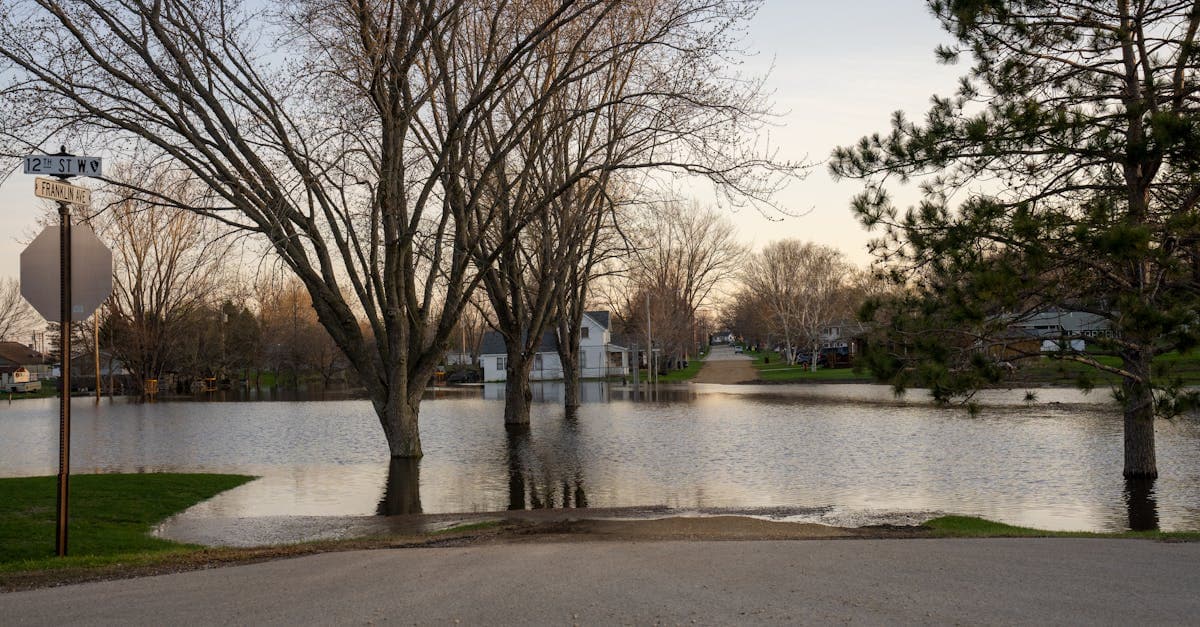
Understanding Your Flood Insurance Deductible Options
Flood insurance deductibles range from $1,000 to $10,000 for building coverage under the NFIP. Higher deductibles lower your premium but increase your out-of-pocket cost when you file a flood claim.

The True Cost of Flood Damage Without Flood Insurance
Average flood damage costs $25,000 to $50,000 per event. Without flood insurance, every dollar comes from savings, loans, or deferred repairs. Federal disaster assistance averages only $5,000 and is usually a loan.

What Does Replacement Cost Mean on a Florida Homeowners Policy?
Replacement cost coverage in Florida must account for current building material prices and labor costs that spike after hurricanes. Ensuring your replacement cost keeps pace with Florida construction costs prevents underinsurance.

Trampoline Installation and Homeowners Insurance Liability
Trampolines significantly increase liability risk on your property. Some insurers exclude trampoline injuries from coverage while others require safety enclosures or higher liability limits.

Mortgage Company and Lender Information on Your Declarations Page
Your declarations page shows your mortgage lender as an additional interest. This ensures your lender receives notice of policy changes and confirms their financial interest is protected.

Tracking Adjuster Communications During Your Claim
Every conversation with your insurance adjuster should be documented in writing. Keeping a log of calls, emails, and in-person meetings with dates, names, and summaries creates a record that protects you if disputes arise about what was discussed or promised.

How to Notify Your Mortgage Lender When Switching Homeowners Insurance
Your mortgage lender must receive a copy of your new declarations page showing adequate coverage and their mortgagee clause. Failing to notify your lender promptly can result in force-placed insurance at your expense.

How Your Claims History Affects Your Homeowners Insurance Renewal
Filing claims within the past three to five years can increase your renewal premium or trigger non-renewal. Understanding this impact helps you plan your renewal strategy.

Did Your Coverage Change? Policy Adjustments That Increase Your Premium
Automatic inflation guard increases, endorsement additions, and coverage limit changes can raise your premium. Not every increase comes from risk factors — sometimes your policy itself changed.

Home Insurance Deductibles and Your Mortgage Escrow Account
Your mortgage lender requires you to carry homeowners insurance but does not regulate your deductible amount. Understanding how your deductible choice interacts with your overall financial obligations helps you make smarter decisions.

Overinsured or Underinsured: How to Find the Right Balance in Homeowners Coverage
Overinsurance wastes premium dollars on coverage you will never collect, while underinsurance leaves you paying out of pocket after a major loss. Finding the precise balance requires understanding what each coverage section actually protects.

When Does Actual Cash Value Make Sense for Homeowners?
ACV coverage is not always the wrong choice. For certain property types and financial situations, accepting the depreciation trade-off can be a calculated and rational decision.

How Home Renovations Affect Your Replacement Cost Coverage
Kitchen remodels, bathroom upgrades, room additions, and other renovations increase your home's replacement cost. Failing to update your coverage after renovations creates a dangerous gap.

Jewelry Coverage on a Homeowners Policy: Understanding the Limits
Standard personal property coverage for jewelry is typically capped at $1,500 to $2,500. If your jewelry collection exceeds this amount, you need scheduled coverage.
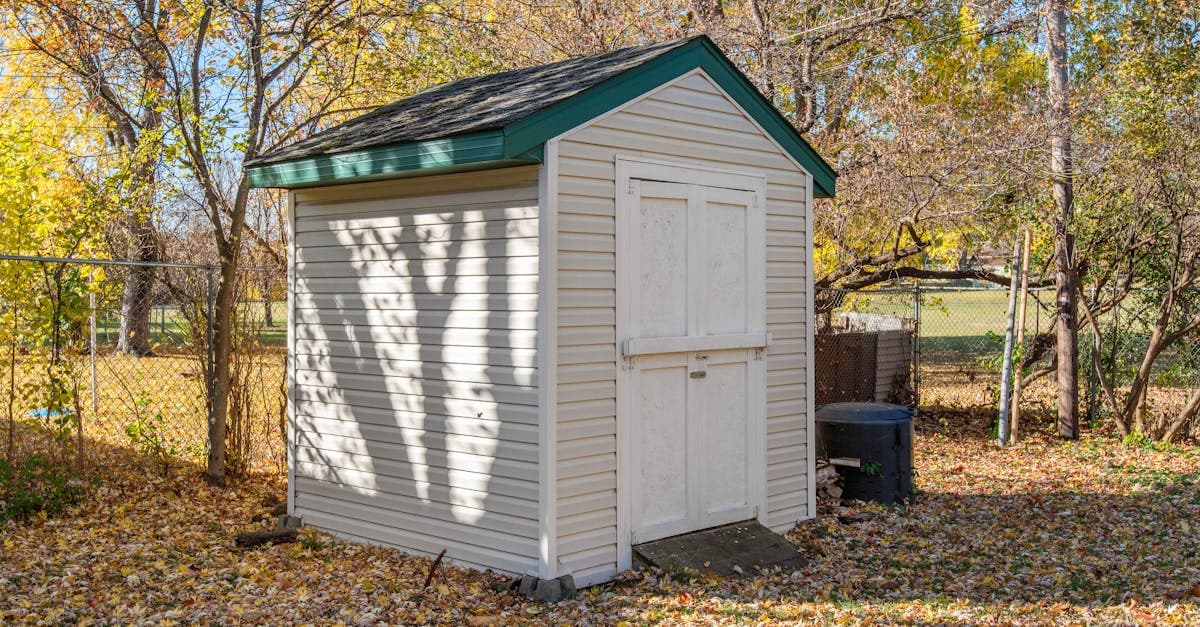
Other Structures Coverage for Gazebos, Pergolas, and Outdoor Living Spaces
Detached gazebos, pergolas, and outdoor entertainment structures are protected under Coverage B. Understanding the coverage ensures your outdoor living investments are fully protected.

Does Dwelling Coverage Pay for Foundation Repairs?
Your dwelling coverage includes foundation repair when the damage results from a covered peril. However, settling, shifting, and normal wear are typically excluded from coverage.

Loss of Use vs. Fair Rental Value: What Coverage D Actually Pays
Coverage D pays your living expenses if you can't live in your home after a loss — or lost rental income if you're a landlord. Here's how each part works.

How Personal Liability Coverage Pays for Your Legal Defense
When someone sues you for an injury, your homeowners policy pays for your attorney and legal costs in addition to any settlement. This defense coverage has no dollar limit.

Are Work Items Covered Outside Your Home by Homeowners Insurance?
Laptops, tools, and equipment you bring to work may be covered if stolen or damaged. Policy language determines whether business property qualifies for off-premises protection.
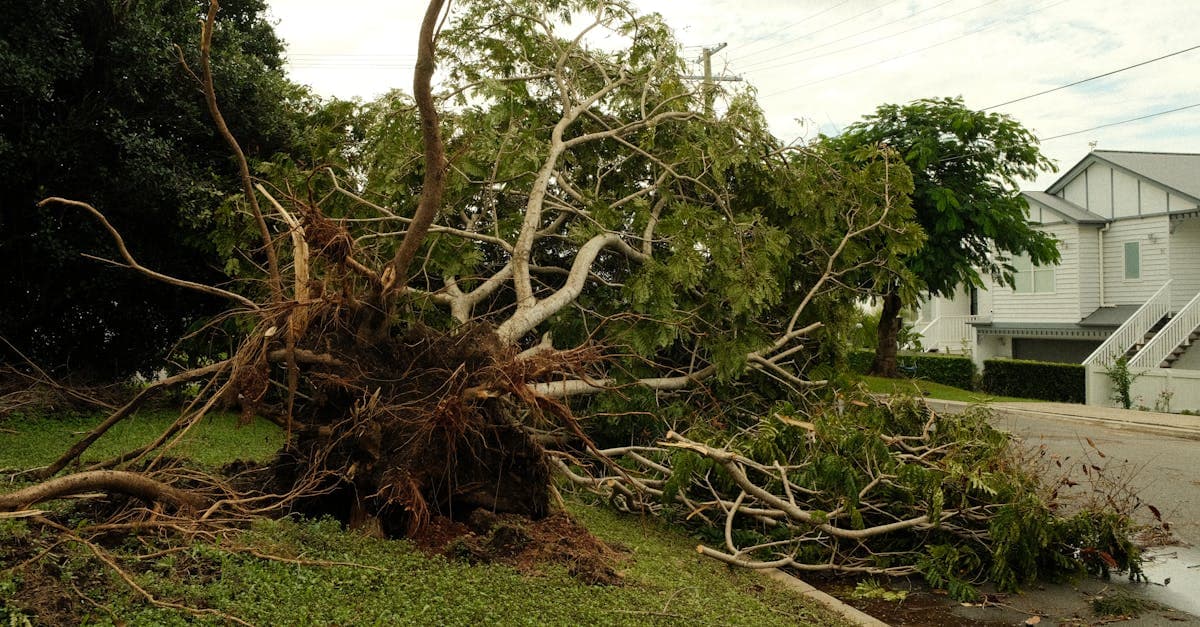
Tree Root Damage to Your Foundation: Insurance Coverage
Unlike fallen tree damage, root damage is typically excluded from homeowners insurance because it is considered gradual rather than sudden.

Does Homeowners Insurance Cover Fence Damage From Storms?
Fences are covered under other structures on your homeowners policy. Storm damage to fences follows specific rules about coverage limits and deductibles.

How to Document Plumbing Damage for an Insurance Claim
Strong documentation can mean the difference between a denied claim and a full payout. Use this checklist for photos, videos, and plumber reports.

How to File a Mold Claim on Your Homeowners Insurance
Filing a mold claim requires proving the mold resulted from a covered peril. Following these steps strengthens your claim and improves your chances of approval.
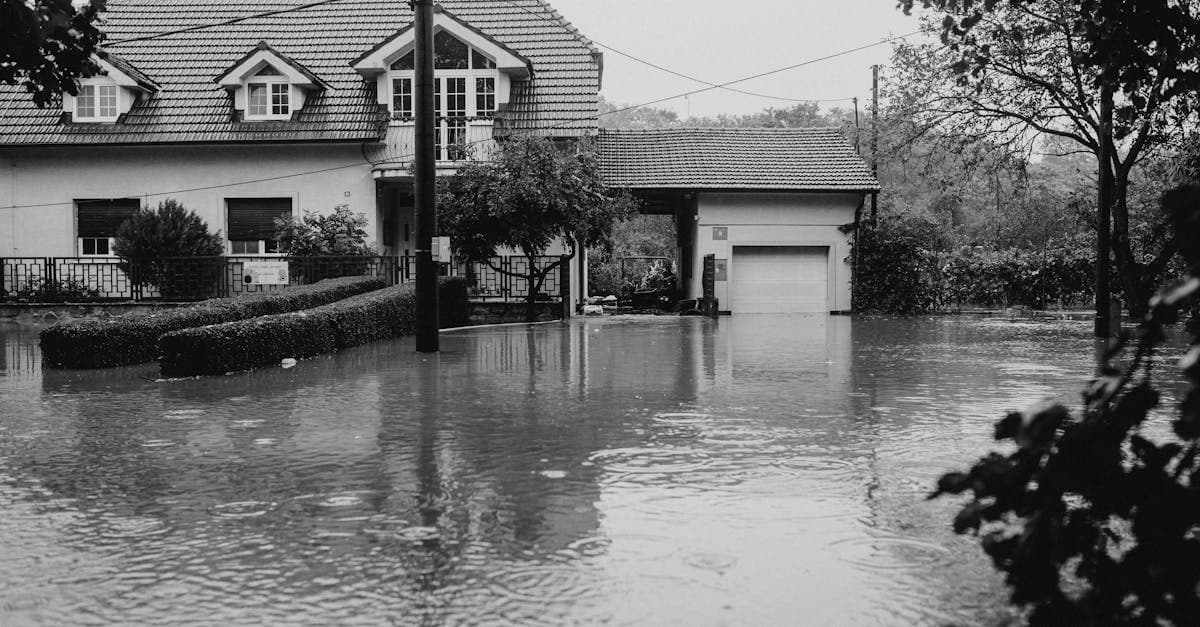
Hidden Water Leaks: When Insurance Covers the Damage They Cause
Hidden leaks behind walls present a coverage challenge because your insurer must determine whether the leak was sudden or gradual. Understanding how insurers investigate hidden leak claims protects your interests.

Filing a Roof Leak Insurance Claim: A Step-by-Step Guide
The claims process for roof leaks follows specific steps that, when handled correctly, maximize your payout. This guide walks you through every stage from discovery to settlement.

The Wear and Tear Exclusion: Why Aging Homes Face Coverage Gaps
Every home deteriorates over time, and homeowners insurance excludes all of it. The wear and tear exclusion means your policy covers accidents but never the natural aging process.

Wind and Hail Damage: What Your Homeowners Policy Covers
Wind and hail are covered perils under standard homeowners policies, but deductibles and exclusions vary by location. Coastal and storm-prone homeowners face unique considerations.

The Florida Driver's Quarterly Insurance Check-In Strategy
Breaking your annual review into quarterly check-ins makes policy management easier and catches changes sooner. Each quarter focuses on different aspects of your coverage.

The Difference Between a Short and Long Florida Insurance Lapse
A lapse of a few days triggers different consequences than one lasting weeks or months. Understanding the timeline helps you gauge the severity of your situation.

Florida Car Insurance Requirements for New Residents
Moving to Florida means adjusting your auto insurance to meet the state's unique requirements. New residents need to understand PIP, no-fault rules, and registration deadlines.

How Florida PDL Covers Damage to Buildings and Structures
PDL does not only cover vehicle damage. If you crash into a fence, building, or storefront, your Florida PDL pays for those repairs up to your limit.

Florida PIP and the No-Fault System: Why Fault Does Not Matter
Florida's no-fault system means your own PIP pays your medical bills regardless of who caused the accident. Understanding this system explains why PIP is mandatory.

Property Damage Claims After a Florida Car Accident
Florida property damage claims follow different rules than injury claims. Understanding how to recover repair costs protects your vehicle investment.

How to File an Insurance Claim When Someone Else Crashed Your Car
Filing a claim for a borrower's accident follows specific steps. Knowing the process ensures you receive proper coverage for the damage.

How Car Insurance Works for Teen Drivers on a Parent's Policy
Adding a teen driver to your policy changes coverage dynamics significantly. Understanding the rules helps parents manage both risk and cost.

Vehicle Theft in Florida: Rates, Risks, and Coverage Strategies
Florida consistently ranks among the top states for vehicle theft. Understanding local theft patterns helps Florida drivers make smarter coverage decisions.

Full Glass Coverage: What It Is and Whether You Need It
Full glass coverage eliminates your deductible for windshield claims. Learn how it works, what it costs, and whether it makes sense for your driving situation.

How to File a Gap Insurance Claim
Filing a gap claim requires coordination between your auto insurer, your gap provider, and your lender. Following the process correctly ensures full coverage.

Rental Reimbursement for Collision Claims
After a collision that disables your vehicle, rental reimbursement coverage pays for a replacement vehicle while yours is repaired or replaced.

What Roadside Assistance Does Not Cover
Roadside assistance has exclusions including off-road recovery, repeated service for the same issue, and certain vehicle types. Understanding the limits prevents false expectations.

Is Uninsured Motorist Coverage Worth It for Young Drivers?
Young drivers face higher accident rates and share roads with uninsured motorists. UM coverage provides critical protection during their highest-risk years.

Uninsured Motorist Coverage for Passengers: Who Is Protected?
UM coverage extends to passengers in your vehicle and sometimes to family members in other vehicles. Understanding who qualifies prevents coverage gaps.

Filing a Comprehensive Insurance Claim: Step-by-Step Process
From documenting the damage to receiving your payout, the comprehensive claims process follows specific steps. Knowing them speeds up your recovery.

How Fault Affects Your Collision Insurance Claim
Collision insurance pays regardless of who caused the accident — but fault still affects your rates and your claim process in important ways.

How Modern Medical Costs Make Traditional Liability Limits Obsolete
Medical costs have risen 300%+ since most state minimums were set. Today's accident injuries routinely exceed limits that seemed adequate decades ago.

The Evolution of Full Coverage: What It Meant Then vs What You Need Now
Full coverage twenty years ago was simpler because risks were simpler. Modern driving requires modern coverage that goes beyond the traditional definition.

Liability Coverage: The Foundation of Every Auto Insurance Policy
Liability coverage pays for damage you cause to others. It's legally required everywhere and is the most important coverage type for protecting your assets.

Questions About Deductibles That Save You Money Long-Term
Deductible choices dramatically impact both your premiums and your out-of-pocket costs. Ask these questions to find your optimal balance.

Reviewing Insurance After Marriage: What Newlyweds Need to Update
Marriage combines two financial lives and creates new coverage needs. These are the specific policy changes newlyweds should make immediately.

The Rebuilding Cost Problem: Why Your Home Insurance Keeps Getting More Expensive
Construction materials and labor costs have increased 30 to 50 percent in many areas. Your premium reflects what it would cost to rebuild today.

Strategic Self-Insurance: Absorbing Losses That Insurance Should Not Handle
The savviest policyholders treat their deductible as a self-insurance threshold and only file claims that significantly exceed it.

When Skipping a Small Claim Can Cost You Thousands
Avoiding a small claim sometimes makes sense — but other times it backfires when hidden damage spreads or deadlines pass. Here's when to file and when not to.

Filing a Life Insurance Claim: What Beneficiaries Need to Know
Life insurance claims require specific documentation and follow a defined timeline. Knowing the process reduces stress during a difficult time.

When to Remove an Endorsement to Save Money
Not every endorsement remains necessary forever. Removing outdated endorsements can reduce your premium without sacrificing needed coverage.

Intentional Acts: Why Insurance Does Not Cover Deliberate Damage
If you intentionally cause damage, your insurance will not cover it. This exclusion protects the insurance pool from moral hazard.

Actual Cash Value and Your Roof: A Critical Coverage Issue
Many insurers now pay only ACV for older roofs. Understanding this shift helps you plan for the significant out-of-pocket cost of roof replacement.
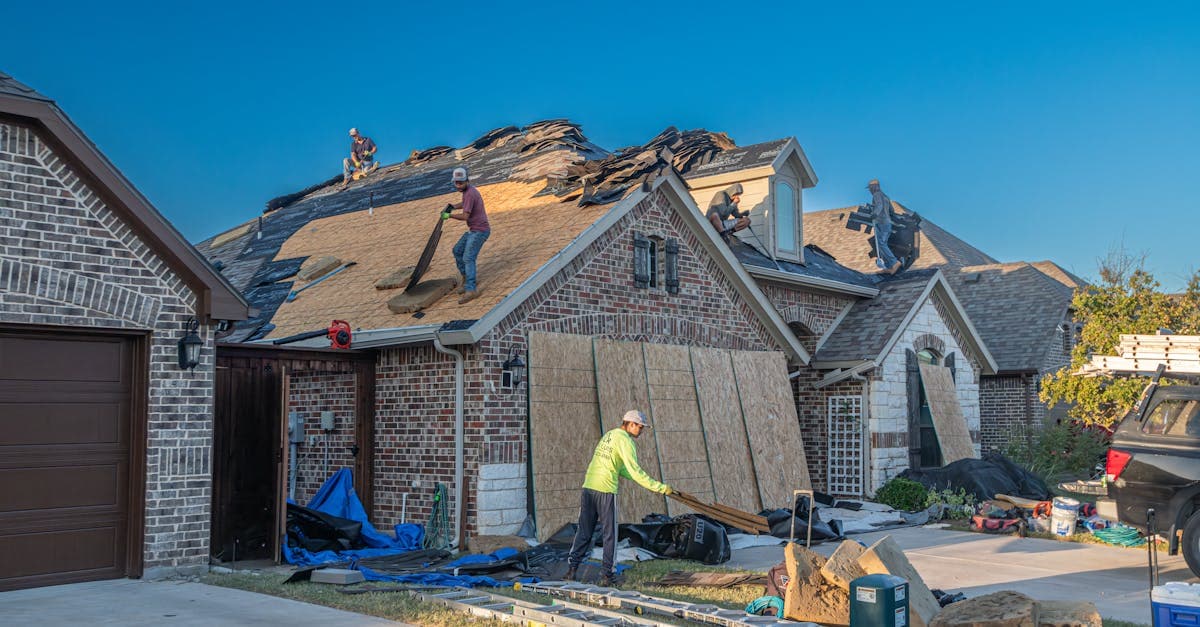
How Inflation Affects Your Replacement Cost Coverage
Construction costs rise over time. If your replacement cost limit does not keep pace with inflation, you could be significantly underinsured.

Health Insurance Limits and Deductibles: What Patients Need to Know
Health plan deductibles and out-of-pocket maximums determine your real cost of care. Understanding them helps you choose the right plan.

The Power of Your Dec Page: What It Tells You About Your Insurance
Your declarations page is the most information-dense document in your entire policy package. Here is how to extract maximum value from it.

The Real Cost of Insurance: Understanding Premium Pricing
Your premium reflects your risk profile, your coverage choices, and the insurance market itself. Here is how to read and influence that number.

Why Your Deductible Is the Most Important Number in Your Policy
Forget the coverage limit for a moment. Your deductible determines how much you pay out of pocket on every single claim.
What Your Home Insurance Actually Covers — Room by Room, Risk by Risk
Your homeowners policy protects more than just your roof. Here's a detailed look at what home insurance covers in every corner of your property — and the gaps that might leave you exposed.
