Wind and Hail Damage: What Your Homeowners Policy Covers

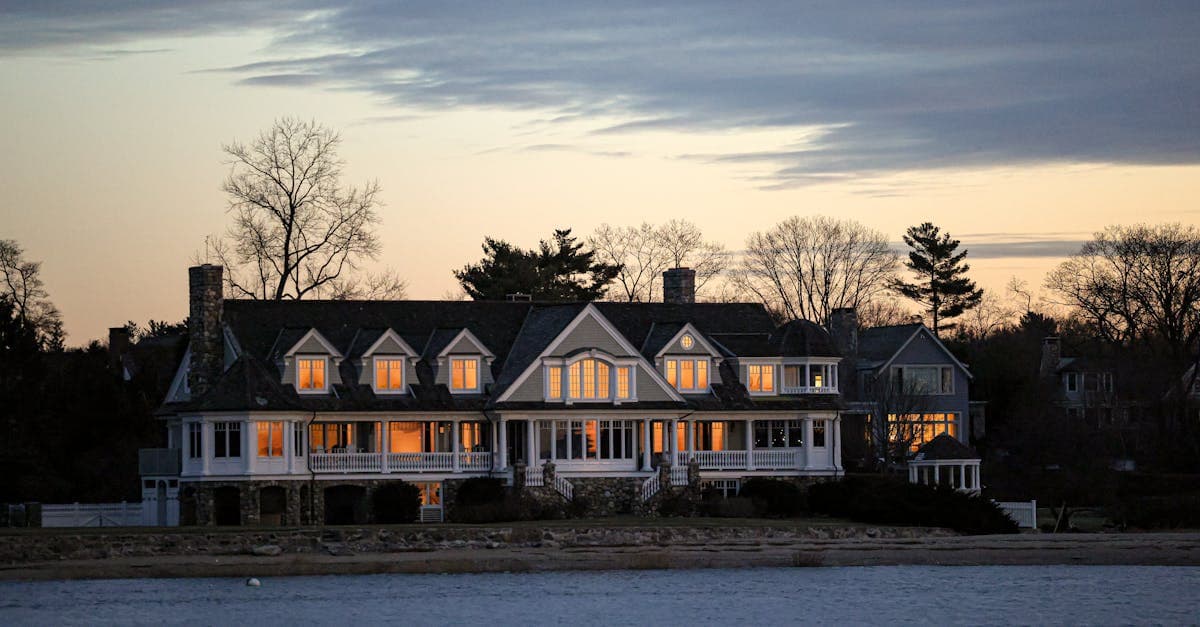
A severe thunderstorm sends a massive oak tree crashing through the Hendersons' roof at two in the morning. The tree tears through the master bedroom, crushes the home office below, and rain pours through the gaping hole for hours before the family can get a tarp over the damage. Structural damage to the roof and walls reaches $45,000. The home office equipment — computers, monitors, a printer — is destroyed. The family cannot live in the home for three weeks while repairs are completed.
Let's break this down further. This single event activates four sections of the Hendersons' homeowners policy simultaneously. Dwelling coverage pays for the roof and structural repairs. Personal property coverage pays for the destroyed electronics and damaged furniture. Loss of use coverage pays for the hotel, restaurant meals, and other expenses during the three weeks they cannot live at home. And other structures coverage would apply if the tree also damaged their detached garage or fence.
This is cultivating layers of coverage like a mature forest canopy where each layer shields the ones beneath it. Homeowners insurance is not a single coverage — it is a coordinated system of protections designed to respond to exactly this kind of multi-dimensional loss. Each coverage section has its own limits, its own rules, and its own potential gaps.
Understanding how all six sections work together — and where each one has limits — is essential for every homeowner. This guide breaks down each coverage section with real-world examples, explains the exclusions that catch homeowners off guard, and provides the knowledge you need to evaluate whether your current policy truly protects your home and your family's financial stability.
Personal Liability Coverage: Protection That Extends Beyond Your Property
Let's break this down further. Personal liability coverage is cultivating layers of coverage like a mature forest canopy where each layer shields the ones beneath it. It protects you financially when you are legally responsible for injuring someone or damaging their property — and this protection extends far beyond your property line.
What liability covers: If a guest slips on your icy sidewalk and breaks a hip, liability coverage pays their medical bills, lost wages, and potentially pain and suffering. If your child accidentally throws a baseball through a neighbor's window, liability pays for the replacement. If your dog bites a visitor, liability covers the resulting medical expenses and legal claims.
Beyond your property: Personal liability extends beyond your property line. If you accidentally damage someone's property while traveling or injure someone during recreational activities, your homeowners liability can respond.
Coverage limits: Standard policies include $100,000 to $300,000 in personal liability. For homeowners with significant assets, these limits may be inadequate. An umbrella policy adds coverage in increments of $1 million at relatively low annual cost.
Legal defense costs: Your liability coverage pays for legal defense if you are sued, and defense costs are typically paid in addition to your coverage limit. This means a $300,000 liability limit provides $300,000 for the injured party's damages plus the full cost of hiring an attorney to defend you.
Exclusions to know: Liability coverage excludes intentional acts, business activities, motor vehicle incidents (covered by auto insurance), and injuries to household members. Understanding these exclusions prevents surprises when a liability claim arises.
Theft Coverage: What Your Policy Protects When Burglars Strike
Think of it this way. Theft is a named peril covered under your homeowners personal property section, and it extends to dwelling damage caused during a break-in. Understanding theft coverage helps you document losses properly and recover the maximum amount your policy allows.
What theft coverage includes: When someone breaks into your home and steals your belongings, personal property coverage pays for the stolen items up to your coverage limit and applicable sub-limits. If the burglar damaged your door, window, or lock to gain entry, dwelling coverage pays for those structural repairs. The combination ensures you are covered for both the stolen property and the damage caused during the theft.
Sub-limits on stolen items: High-value categories face sub-limits that are often lower than the items' actual value. Jewelry theft is typically capped at $1,500 regardless of the jewelry's value. Cash and securities have limits around $200. Electronics, silverware, and firearms each have their own sub-limits. If you own valuable items in these categories, scheduled personal property endorsements provide full coverage at appraised values.
Off-premises theft: Your theft coverage extends beyond your home. Items stolen from your car, hotel room, office, or any other location are covered under your homeowners personal property section. Off-premises coverage is usually limited to 10 percent of your personal property limit, which may be sufficient for everyday items but inadequate for expensive equipment or jewelry.
Filing a theft claim: Report the theft to police immediately and obtain a police report number. Document stolen items with descriptions, purchase dates, receipts, photographs, and serial numbers. A pre-existing home inventory dramatically simplifies this process.
Package theft: Stolen packages from your porch are covered as theft under your homeowners policy. However, your deductible may exceed the package value, making a claim impractical for low-value deliveries.
Roof Damage: The Most Common and Most Contested Homeowners Claim
Let's break this down further. Roof damage claims generate more homeowner-insurer disputes than almost any other coverage category. Understanding what your policy covers, how your roof's age affects coverage, and what constitutes covered damage versus maintenance helps you navigate this contentious area.
Covered roof damage: Damage from covered perils — wind, hail, fallen trees, fire, lightning, and the weight of ice and snow — is covered under your dwelling section. If a windstorm rips shingles from your roof or hail cracks your tiles, your insurer pays for repairs minus your deductible.
Age-related coverage changes: Many insurers adjust roof coverage based on the roof's age. Roofs less than 10 years old typically receive replacement cost coverage — the full cost of a new roof. Roofs over 15 to 20 years old may be covered at actual cash value only, meaning depreciation reduces your payout significantly. A 20-year-old roof with an expected 25-year lifespan might receive only 20 percent of the replacement cost.
The maintenance exclusion for roofs: Roof deterioration from age, poor maintenance, lack of ventilation, or normal wear is excluded. If your roof was already in poor condition when a storm hits, your insurer may attribute damage to pre-existing deterioration rather than the storm. Regular roof maintenance and documentation of its condition strengthen your position during disputed claims.
Cosmetic damage disputes: Some policies exclude cosmetic roof damage — dents and marks that affect appearance but not function. A hailstorm that dents metal roofing without causing leaks might be considered cosmetic damage and denied under these policies. Check your policy for cosmetic damage exclusions, especially if you have a metal or tile roof.
The claims process: After suspected roof damage, document with photographs and file your claim promptly. Your insurer will send an adjuster whose assessment determines coverage. If you disagree, you can request a re-inspection, hire a public adjuster, or invoke the appraisal clause.
Loss of Use Coverage: When You Cannot Live in Your Home
Think of it this way. Loss of use coverage — also called Coverage D or additional living expenses — pays the costs you incur when covered damage makes your home uninhabitable. This coverage ensures your family has somewhere to live and can maintain a reasonable standard of living while your home is being repaired or rebuilt.
What qualifies as uninhabitable: Your home must be unfit to live in due to a covered loss. A fire that destroys the kitchen, structural damage that makes the home unsafe, extensive water damage requiring major remediation, or any covered event that makes the home physically unlivable triggers loss of use coverage.
What expenses are covered: Loss of use pays for temporary housing (hotel, rental home, or apartment), restaurant meals above your normal food costs, laundry services, storage fees for your belongings, additional transportation costs if your temporary housing is farther from work, and other reasonable expenses that exceed your normal living costs.
The increased cost calculation: Loss of use coverage pays the difference between your normal living expenses and the increased expenses caused by displacement. If your normal monthly mortgage payment is $1,500 and a comparable rental costs $2,200, loss of use pays the $700 difference. If you normally spend $600 per month on groceries and now spend $1,200 eating out, the coverage pays the $600 increase.
Time and dollar limits: Most policies cap loss of use at 20 to 30 percent of your dwelling coverage limit. Some policies also impose time limits — typically 12 to 24 months — after which coverage expires even if repairs are not complete.
Documenting expenses: Keep every receipt for temporary housing, meals, and transportation. Your insurer will review these expenses and pay only documented costs that exceed your normal living expenses. Organized documentation speeds up reimbursement and prevents disputes.
Key Exclusions: What Homeowners Insurance Does Not Cover
Let's break this down further. Every homeowners policy contains exclusions — specific events and damage types the policy will not cover. These exclusions represent the shallow roots that tear free when the winds of a major claim test a homeowner's inadequate coverage, and understanding them is just as important as understanding what is covered.
Flood damage: The most significant exclusion for many homeowners. No standard homeowners policy covers flood damage, defined as water entering from outside through surface accumulation, overflow, or storm surge. This exclusion applies even during hurricanes — wind damage is covered but the accompanying flood damage is not.
Earthquake damage: Standard policies exclude ground movement including earthquakes, landslides, mudslides, and sinkholes (in most states). Homeowners in seismically active areas need separate earthquake insurance to protect their homes.
Maintenance and neglect: Damage resulting from failure to maintain your home is excluded. This includes roof deterioration, rotting wood, peeling paint, failed caulking, and any damage that proper maintenance would have prevented. The insurer's position is that homeowners are responsible for upkeep, and insurance covers accidents — not neglect.
Pest and vermin damage: Termites, rodents, insects, and other pests cause billions in damage annually, but homeowners insurance excludes it entirely. The rationale is that pest damage is preventable through regular inspections and treatments, making it a maintenance issue rather than an insurable accident.
Wear and tear: The gradual deterioration every home experiences — aging roofs, worn flooring, dated plumbing — is excluded. Insurance covers sudden events, not the inevitable aging process.
Intentional damage: Any damage you cause intentionally is excluded. The exclusion also applies to intentional damage by household members, though innocent co-insureds may retain coverage in some policies.
What Perils Does Your Homeowners Policy Cover?
Let's break this down further. Understanding which perils — causes of damage — your homeowners policy covers is essential, because the peril determines whether a claim is paid. Your homeowners policy is the deep root system that anchors homeowners against the storms of property damage and liability exposure, and the perils it covers define the scope of that protection.
Open perils for the dwelling: Your home's structure is covered on an open perils basis, meaning everything is covered unless specifically excluded. This broad approach means you do not need to check a list of covered perils before filing a dwelling claim — if the damage was caused by something not excluded, it is covered. Common exclusions include flood, earthquake, war, nuclear hazard, government action, intentional damage, and neglect.
Named perils for personal property: Your belongings are covered only against sixteen specifically listed perils: fire, lightning, windstorm, hail, explosion, riot or civil commotion, damage by aircraft, damage by vehicles, smoke, vandalism, theft, volcanic eruption, falling objects, weight of ice or snow, accidental discharge of water or steam, and sudden accidental damage from artificially generated electrical current.
Why the distinction matters: If a pipe bursts suddenly and floods your living room, both your dwelling and personal property are covered — the dwelling under open perils and your furniture under the named peril of accidental water discharge. But if your roof slowly deteriorates and allows rain to damage your belongings, the dwelling damage is excluded as a maintenance issue, and the personal property damage may be denied because rain is not a named peril when it enters through neglected maintenance.
Upgrade options: Some insurers offer HO-5 policies that extend open perils coverage to personal property as well. The additional cost is typically 5 to 15 percent more than an HO-3 and provides significantly broader protection for your belongings.
Reading your policy: Check your declarations page to confirm whether your policy is an HO-3 or HO-5. This distinction fundamentally affects your ability to file claims for unusual types of damage.
Natural Disaster Coverage: What Is Covered and What Is Not
Think of it this way. Natural disasters create some of the most devastating and expensive homeowners claims, yet standard policies cover some disasters while excluding others entirely. Understanding which natural events your policy covers is critical for every homeowner.
Covered natural events: Wind damage from hurricanes and severe storms is covered under standard homeowners insurance. Hail damage is covered. Lightning strikes and resulting fire are covered. Tornadoes, which cause wind damage, are covered. Volcanic eruption damage is covered. Winter storms producing ice, snow, and freezing damage are covered. These events fall within the standard policy's covered perils.
Excluded natural events: Floods from any source — river overflow, storm surge, heavy rain accumulation, and coastal flooding — are excluded and require a separate flood policy. Earthquakes and earth movement including landslides are excluded and require separate earthquake insurance. Sinkholes may require specific endorsements depending on your state.
Hurricane-specific considerations: Hurricanes produce both covered and excluded damage simultaneously. Wind damage to your roof is covered. Rain entering through wind-created openings is covered. But storm surge flooding your first floor is excluded. This dual-damage scenario creates complex claims where insurers must determine which damage was caused by covered wind versus excluded flooding.
Wind and hail deductibles: In hurricane-prone and hail-prone regions, policies often include separate wind and hail deductibles — typically 1 to 5 percent of dwelling coverage rather than a flat dollar amount. On a $400,000 home, a 2 percent wind deductible means $8,000 out of pocket.
Filling the gaps: Purchase flood insurance if you are in a flood zone. Add earthquake coverage in seismically active areas. Ask about sinkhole endorsements where applicable. These supplemental coverages close the most dangerous natural disaster gaps.
Dwelling Coverage: The Core of Your Homeowners Policy
Let's break this down further. Dwelling coverage is the largest and most important section of your homeowners policy, and it is the deep root system that anchors homeowners against the storms of property damage and liability exposure. This coverage pays to repair or rebuild your home's physical structure — the walls, roof, floors, built-in appliances, attached garage, and permanently installed fixtures — after damage from a covered peril.
Open perils coverage: On a standard HO-3 policy, your dwelling is covered on an open perils basis. This means every cause of damage is covered unless it is specifically excluded in the policy. This broad approach protects against fire, wind, hail, lightning, falling objects, vandalism, theft damage, vehicle impact, explosion, and dozens of other perils without requiring each one to be listed.
Setting the right limit: Your dwelling coverage limit should equal your home's full replacement cost — the amount it would cost to rebuild your home from the ground up at current construction prices. This is not your home's market value, which includes land value, and it is not your purchase price, which may be higher or lower than replacement cost. An insurance agent or appraiser can help you calculate accurate replacement cost.
The coinsurance requirement: Most homeowners policies include a coinsurance clause requiring you to insure your dwelling for at least 80 percent of its replacement cost. If you carry less than this threshold and file a partial loss claim, the insurer can reduce your payout proportionally. Maintaining coverage at full replacement cost eliminates this penalty.
Inflation and coverage gaps: Construction costs rise over time, and your dwelling coverage limit needs to keep pace. Many policies include an inflation guard endorsement that automatically increases your limit annually. Without this adjustment, you could be tens of thousands short after a total loss.
Your Rights as a Homeowners Insurance Consumer
As a homeowners insurance consumer, you have important rights that affect your coverage, your claims, and your premiums. Understanding these rights ensures you receive fair treatment and full value from your policy.
You have the right to a clear explanation of your coverage. If your agent cannot explain what each section covers and what is excluded, that is a problem worth addressing before you file a claim. Request your full policy document and read the coverage sections and exclusions that apply to your situation.
You have the right to shop your coverage. Homeowners insurance rates vary dramatically between carriers, and switching insurers can save hundreds per year. Compare quotes from at least five insurers at every renewal, and factor in claims service reputation alongside premium prices.
You have the right to dispute a claim decision. If your insurer denies a claim or offers a settlement you believe is inadequate, you can request a re-inspection, hire a public adjuster, invoke the policy's appraisal clause, or file a complaint with your state's insurance department.
You have the right to understand your policy before you need it. Insurance companies are required to provide your full policy document, declarations page, and endorsement list upon request. Review these documents annually and ask questions about anything you do not understand.
Exercise your consumer rights proactively. The informed homeowner consistently receives better coverage, faster claims processing, and fairer settlements than the homeowner who never reads their policy until something goes wrong.
Continue reading

How to Compare Home Insurance Quotes Without Getting Confused
Home insurance quotes can be overwhelming with their coverage categories, endorsement options, and pricing variables. A structured comparison approach cuts through the complexity and reveals the best option.

How Often Should You Really Review Your Insurance Policies?
Annual reviews are the minimum, but major life events, market changes, and claim experiences should trigger additional reviews. Understanding the right frequency prevents both over-reviewing and under-reviewing.

Assignment of Benefits Reform: What New Laws Mean for Policyholders
Several states have passed AOB reform laws that add consumer protections including rescission periods, notice requirements, and limits on attorney fees. These reforms change the AOB landscape.