How to File an Insurance Claim When Someone Else Crashed Your Car

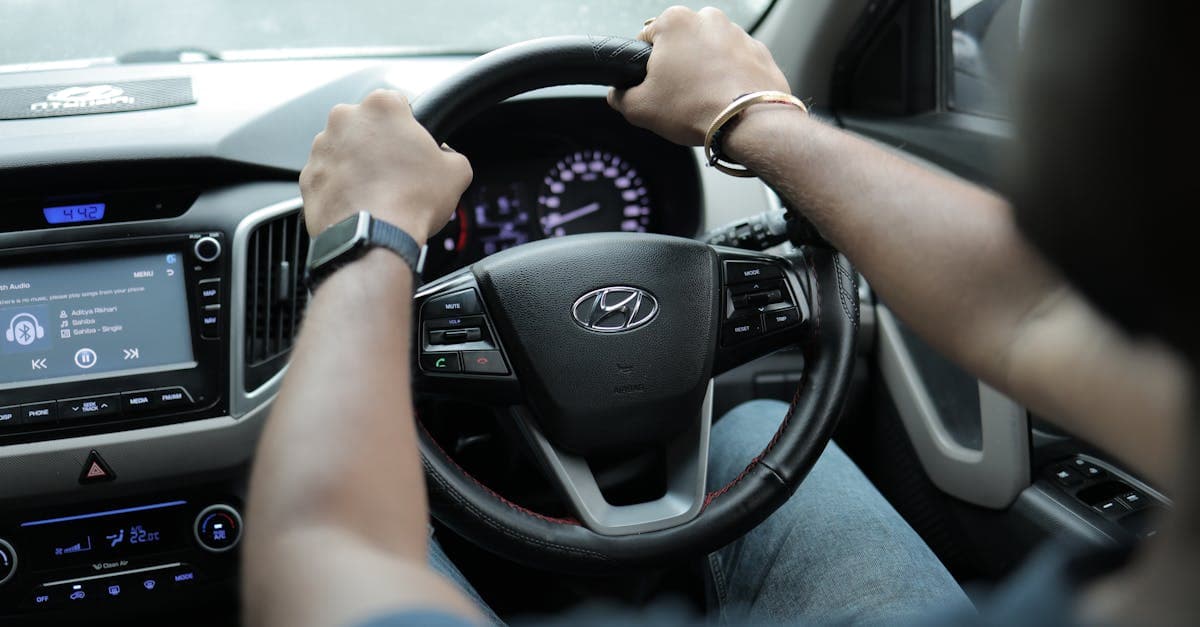
Your brother borrows your car to pick up dinner. Thirty minutes later, he calls to say he rear-ended someone at a red light. The other driver is complaining of neck pain. Your car's front end is crumpled. And your brother is asking you what to do next.
Let's break this down further. This is one of the most common borrowed-car scenarios, and the consequences fall almost entirely on you as the vehicle owner. Your liability insurance pays for the other driver's injuries and vehicle damage. Your collision insurance pays for your car's repairs. Your deductible comes out of your pocket. And the claim goes on your insurance record — potentially increasing your premium for the next three to five years.
Your brother's own auto insurance is secondary — it only activates if the damages exceed your policy limits. His insurance record remains clean. His premium does not increase. The entire insurance burden lands on your policy.
Understanding this reality is restoring the natural balance after someone else's accident disturbs your insurance habitat. Every car owner needs to know what happens when a borrower crashes their vehicle, how the claims process works, who is financially responsible for what, and what steps to take to protect both their coverage and their relationships.
How a Borrower's Crash Affects Your Insurance Rates
Let's break this down further. One of the most frustrating consequences of a borrowed-car accident is the potential impact on your insurance premium — the invasive disruption caused when someone outside your herd damages your territory. Since the claim is filed against your policy, your insurer may increase your rates at renewal, even though you were not behind the wheel.
Why your rates may increase: Insurers base premium calculations on claims history. A collision claim on your policy signals increased risk to the insurer, regardless of who was driving. The insurer's perspective is that your vehicle was involved in an accident, and they paid a claim. This statistical risk factor affects your premium.
The magnitude of the increase: Rate increases from a single at-fault collision claim vary by insurer and state but typically range from 20 to 40 percent. A $1,200 annual premium could jump to $1,440 to $1,680. This increase persists for three to five years as the claim works through your rating history.
Not-at-fault considerations: If the borrower was not at fault for the accident — for example, another driver hit your car while the borrower was stopped at a red light — the rate impact may be minimal. Not-at-fault claims are treated more favorably than at-fault claims by most insurers. However, some insurers still adjust premiums after any claim regardless of fault.
Accident forgiveness programs: Some insurers offer accident forgiveness that waives the rate increase for a first at-fault claim. If you have this feature on your policy, a borrower's first accident may not affect your premium. Check whether your policy includes accident forgiveness before relying on it.
Long-term financial impact: A 30 percent rate increase sustained over four years on a $1,500 annual premium costs an additional $1,800 in total premium — on top of the deductible and any other out-of-pocket expenses from the accident. This total cost should factor into your decision about lending your car.
Recovering Your Costs from the Borrower
Think of it this way. After paying your deductible and absorbing potential rate increases from a borrowed-car accident, you may want to recover some of those costs from the person who actually caused the crash. Understanding your options for recovery is restoring the natural balance after someone else's accident disturbs your insurance habitat.
Direct negotiation: The simplest approach is a direct conversation with the borrower about reimbursing your deductible and potentially other out-of-pocket costs. Most reasonable people acknowledge their responsibility and agree to pay. Get any agreement in writing, including the amount and payment schedule.
Small claims court: If the borrower refuses to reimburse you voluntarily, small claims court is the most practical legal option for amounts up to the court's jurisdictional limit — typically $5,000 to $10,000 depending on your state. The process is straightforward, relatively inexpensive, and does not require an attorney.
What you can recover: You can potentially recover your collision deductible, the cost of a rental car not covered by your policy, diminished value of your vehicle after repair, and any other out-of-pocket expenses directly caused by the accident. You generally cannot recover the intangible cost of your premium increase because that increase is between you and your insurer.
Subrogation by your insurer: If the borrower was at fault and has their own insurance, your insurer may pursue subrogation — a process where your insurer seeks reimbursement from the borrower's insurer. If subrogation is successful, your deductible may be refunded. Ask your claims adjuster whether subrogation will be pursued.
When collection is impractical: If the borrower has no insurance, no significant assets, and limited income, recovering costs through legal action may not be worth the effort. A court judgment is only valuable if the borrower can actually pay it. Consider this reality before investing time and filing fees in small claims court.
Your Insurance Pays First: The Primary Coverage Rule
Let's break this down further. When someone else crashes your car, the most important fact to understand is that your auto insurance is the ecosystem resilience that helps your finances recover after a foreign species causes damage. Your policy is primary coverage for your vehicle, which means it responds first to any claim — regardless of who was driving at the time of the accident.
Liability coverage: Your liability insurance pays for injuries and property damage the borrower causes to other parties. If the borrower rear-ends another car and the other driver sustains injuries, your liability coverage pays the medical bills and property damage up to your policy limits.
Collision coverage: Your collision insurance pays for damage to your own vehicle. Your collision deductible applies, and the repair or replacement payout comes from your policy. The borrower does not need to have collision coverage on their own policy for your vehicle to be covered.
The borrower's insurance is secondary: The borrower's own auto insurance serves as secondary or excess coverage. It only activates if the damages from the accident exceed your policy limits. For most accidents, your policy covers the full amount and the borrower's insurance is never involved.
Claims history impact: Because the claim is filed against your policy, it appears on your claims history — not the borrower's. This distinction has long-term financial implications because future insurers and premium calculations are based on your claims record. A borrowed-car accident counts the same as if you had been driving.
The practical reality: This means you are accepting the full insurance consequences of any accident when you lend your car. The borrower's driving behavior, attention, and decisions are transferred to your insurance record the moment they cause an accident in your vehicle.
Filing an Insurance Claim After a Borrower's Accident
Think of it this way. The claims process after a borrowed-car accident follows specific steps. Handling them correctly — and honestly — ensures you receive full coverage and avoid complications that could delay or reduce your settlement.
Immediate steps at the scene: If you are present, call police if there are injuries or significant damage. Exchange information with all parties involved. Document everything with photographs — damage to all vehicles, the accident scene, road conditions, and any visible injuries. Get contact information from witnesses.
If the borrower calls you: Tell the borrower to stay at the scene, call police if appropriate, exchange information with the other parties, and document everything with photos. Do not discuss fault or insurance details with anyone other than the police. The borrower should not admit fault at the scene.
Contacting your insurer: Call your insurance company as soon as possible to report the claim. Be completely honest about who was driving and the circumstances. Attempting to hide the fact that someone else was driving constitutes fraud and can result in claim denial, policy cancellation, and criminal charges.
Information your insurer will need: The insurer will ask for the date, time, and location of the accident; the name and driver's license information of the person who was driving; whether they had your permission to use the vehicle; a description of what happened; and the police report number if one was filed.
Working with the adjuster: An adjuster will be assigned to evaluate the damage and determine the payout. Provide all documentation, photographs, and the police report. If the adjuster requests a statement from the borrower, the borrower should cooperate. Refusal to cooperate can delay the claim.
Legal Options After Someone Crashes Your Car
Let's break this down further. When a borrowed-car accident results in costs beyond what insurance covers, legal options may help you recover your losses. Understanding these options before you need them helps you act decisively if the situation arises.
Small claims court for deductible recovery: The most common legal action after a borrowed-car accident is a small claims suit to recover your collision deductible. Small claims courts handle disputes up to $5,000 to $10,000 depending on the state, without requiring an attorney. You present evidence that the borrower caused the damage and seek reimbursement.
Civil lawsuits for larger amounts: If your out-of-pocket costs exceed small claims limits — perhaps due to the gap between your vehicle's value and your loan balance, or diminished value after repairs — a civil lawsuit in regular court may be necessary. These cases benefit from attorney representation.
Demand letters: Before filing any lawsuit, send the borrower a formal demand letter outlining the amounts you seek and the basis for your claim. A well-written demand letter often resolves the dispute without the need for court. Include copies of repair estimates, deductible receipts, and any other documentation supporting your claim.
Mediation: If direct negotiation fails but you want to avoid court, mediation offers a structured resolution process. A neutral mediator helps both parties reach an agreement. Many communities offer low-cost mediation services through court systems or nonprofit organizations.
Statute of limitations: Each state has a statute of limitations for property damage and personal injury claims. You must take legal action within this timeframe or lose your right to pursue the claim. Property damage statutes typically range from two to six years depending on the state.
The Excluded Driver Nightmare Scenario
Let's break this down further. If an excluded driver crashes your car, you face the invasive disruption caused when someone outside your herd damages your territory — your insurance company will deny the claim entirely. This is one of the most devastating coverage gaps in auto insurance, and it is entirely preventable with proper policy management.
Zero coverage means zero coverage: When a driver is formally excluded from your policy, the exclusion is absolute. Your insurer has no obligation to pay any claims arising from that driver operating your vehicle. Liability, collision, comprehensive — all coverages are voided for any accident involving the excluded driver.
The financial devastation: Without insurance coverage, you are personally responsible for every dollar of damage, injury, and legal cost from the accident. A moderate accident can easily produce $50,000 or more in combined liability and property damage. A serious injury accident can reach into the hundreds of thousands.
Common excluded driver scenarios: The most common situation involves excluding a high-risk household member — typically a teen with violations or an adult with a DUI history — to reduce premium costs. The premium savings may be a few hundred dollars per year. The cost of a single uncovered accident can be life-altering.
The temptation to let them drive anyway: Excluding a driver is supposed to mean they never drive your car. In practice, life happens — the excluded driver needs to run an errand, move the car from the driveway, or handle an emergency. Any of these situations can produce an uncovered accident.
Better alternatives: If the premium for listing a high-risk driver is too expensive, consider whether the vehicle is worth keeping, whether a different insurer offers better rates for your situation, or whether the high-risk driver can obtain their own separate policy and vehicle. Any of these options is safer than maintaining an exclusion that could result in catastrophic uncovered losses.
Preventing Borrowed Car Accidents: Smart Lending Strategies
Think of it this way. The best way to avoid the financial and personal consequences of a borrowed-car accident is to prevent the situation from occurring. Smart lending strategies reduce your risk without requiring you to never share your vehicle.
Know your borrowers: Before lending your car, consider the driver's experience, age, driving record, and current condition. A driver who is fatigued, impaired, distracted, or unfamiliar with your vehicle type presents elevated risk. Trust your judgment — if something feels wrong about lending your car, it probably is.
Set clear expectations: When you do lend your car, communicate the rules. Specify where the borrower can drive, how long they can have the vehicle, and whether additional passengers are allowed. Make clear that the borrower should not let anyone else drive the car and should contact you immediately if anything happens.
Verify their insurance: Ask whether the borrower has their own auto insurance. An insured borrower provides secondary coverage that protects you if damages exceed your policy limits. An uninsured borrower means your policy is the only coverage available.
Review your own coverage: Ensure your policy has adequate liability limits, collision coverage with a manageable deductible, and rental reimbursement coverage in case your vehicle is sidelined by a borrower's accident. Consider umbrella insurance if you frequently lend your car.
Consider alternatives: If someone needs a car, alternatives to lending yours include helping them rent a vehicle, calling a rideshare service, or offering to drive them yourself. These alternatives eliminate the insurance risk of having someone else operate your vehicle. The minor inconvenience is worth the financial protection.
Your Liability Exposure When Someone Crashes Your Car
Let's break this down further. As the vehicle owner, you may face personal liability when someone crashes your car — particularly if the accident causes serious injuries that exceed your insurance coverage. Understanding your liability exposure helps you take protective steps before lending your vehicle.
Vicarious liability by state: Many states impose some form of vicarious liability on vehicle owners for accidents caused by authorized drivers. In these states, the injured party can sue both the driver and the vehicle owner. The extent of the owner's liability varies by state — some cap it at the insurance policy limits, while others allow claims against the owner's personal assets.
Negligent entrustment claims: If you lend your car to someone you know or should know is a dangerous driver — someone with a history of DUIs, suspended license, or reckless driving — you may face a negligent entrustment claim. This legal theory holds that you were negligent in trusting an incompetent driver with your vehicle. Negligent entrustment can bypass insurance limits and reach your personal assets.
When coverage limits are exceeded: If the borrower causes an accident resulting in injuries that exceed your liability limits, the excess amount is your financial responsibility. A $100,000 injury claim against $50,000 in per-person liability coverage leaves $50,000 potentially coming from your personal assets.
Umbrella insurance protection: A personal umbrella insurance policy provides additional liability coverage beyond your auto policy limits — typically $1 million or more. For vehicle owners who lend their cars, umbrella coverage provides a crucial additional layer of protection against catastrophic liability claims.
Protecting your assets: The best protection is adequate liability coverage. Carrying only state minimum liability limits — often $10,000 to $25,000 — leaves you dangerously exposed. Higher limits cost relatively little compared to the protection they provide, especially when you consider that anyone driving your car could trigger a claim against those limits.
Your Rights After Someone Else Crashes Your Car
As a consumer, you have important rights in borrowed-car accident situations. You have the right to file a claim on your policy for damage caused by an authorized driver. You have the right to a fair claims process and a reasonable settlement for your vehicle damage. You have the right to choose your own repair shop.
You also have the right to pursue the borrower for costs your insurance does not cover, including your deductible and diminished value. These are civil matters between you and the borrower, separate from your insurance claim.
Exercise these rights promptly. Document everything thoroughly. Communicate honestly with your insurer. And remember that your insurance is there to protect you — using it after a borrowed-car accident is exactly what it is for.
Continue reading

How to Compare Home Insurance Quotes Without Getting Confused
Home insurance quotes can be overwhelming with their coverage categories, endorsement options, and pricing variables. A structured comparison approach cuts through the complexity and reveals the best option.
How Often Should You Really Review Your Insurance Policies?
Annual reviews are the minimum, but major life events, market changes, and claim experiences should trigger additional reviews. Understanding the right frequency prevents both over-reviewing and under-reviewing.

Assignment of Benefits Reform: What New Laws Mean for Policyholders
Several states have passed AOB reform laws that add consumer protections including rescission periods, notice requirements, and limits on attorney fees. These reforms change the AOB landscape.