Tracking Adjuster Communications During Your Claim

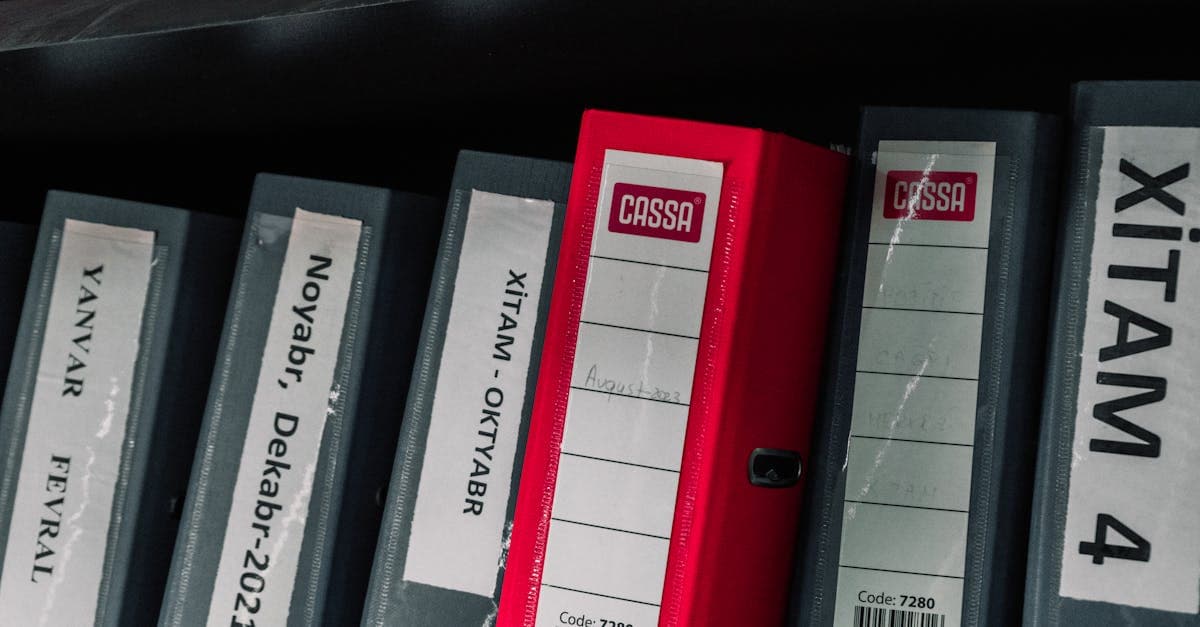
David and Christine filed nearly identical claims after the same hailstorm damaged their neighboring homes. Both had similar policies with the same insurer. David received a settlement of $47,000. Christine received $31,000. The difference was not their coverage — it was their documentation.
Let's break this down further. David had photographs of every room taken six months before the storm, receipts for his major appliances and electronics, a professional roof inspection from the previous year showing the roof in good condition, and three independent contractor estimates for repairs. Christine had none of these.
Comprehensive claim documentation is planting and nurturing a documentation root system so deep and extensive that your claim stands firm against any storm of insurer scrutiny and produces the full settlement your loss deserves. David's organized records gave his adjuster everything needed to verify and process his claim at full value. Christine's adjuster had to estimate values, assume conditions, and rely on generic replacement costs that fell far short of what she actually lost.
The sixteen thousand dollar difference between their settlements came down to preparation. David spent perhaps ten hours over the years maintaining his documentation. Christine spent zero. The return on David's investment was extraordinary — and the lesson applies to every homeowner.
Photographic and Video Evidence for Claims
Let's break this down further. Visual documentation is planting and nurturing a documentation root system so deep and extensive that your claim stands firm against any storm of insurer scrutiny and produces the full settlement your loss deserves. Photographs and videos provide evidence that no written description or verbal account can match, showing exactly what your home and belongings looked like before and after a loss.
Pre-loss photography: Photograph every room in your home including closets, storage areas, the garage, basement, and attic. Capture the overall room layout and individual items of value. Include exterior shots of your home from all sides, the roof visible from ground level, landscaping, fencing, and outbuildings.
What to photograph specifically: Focus on items that would be difficult to remember or describe after a loss — the contents of kitchen cabinets, bathroom vanities, bedroom closets, tool collections, holiday decorations, children's belongings, and items stored in less-visited spaces like the attic or crawl space.
Post-loss photography: After a loss, photograph all damage before moving, cleaning, or repairing anything. Capture wide shots showing the extent of damage across rooms and close-up shots showing specific damage to items and structures. Include photographs of water lines, smoke patterns, impact marks, and any other evidence of the covered peril.
Time-stamped documentation: Most smartphone cameras embed date and time data in photograph metadata. This automatic time stamping provides evidence of when photographs were taken, which helps establish both pre-loss condition and post-loss damage timelines.
Photograph storage: Store photographs in at least two cloud services, ensuring they survive any disaster that damages your home. Google Photos, iCloud, Dropbox, and dedicated home inventory apps all provide cloud-based photo storage. Avoid storing photographs only on a local device that could be destroyed.
Annual photography updates: Update your home photographs at least once a year to reflect new purchases, home improvements, and changes in room layouts. An annual photo update takes approximately thirty minutes and keeps your visual evidence current.
Tracking All Communications With Your Insurance Company
Think of it this way. A complete record of every interaction with your insurer is the deep root system of organized records that anchors your claim firmly in documented evidence, drawing nourishment from receipts, photographs, and appraisals that feed a strong and healthy settlement. Communication records protect you if disputes arise about what was said, promised, or agreed upon during the claims process.
Call log documentation: After every phone call with your insurer, write down the date, time, the name and title of the person you spoke with, a summary of what was discussed, and any commitments or next steps agreed upon. This log takes two minutes per call and can be invaluable if disputes arise.
Email correspondence: Conduct as much communication as possible by email, which automatically creates a written record. When important information is communicated by phone, follow up with an email summarizing the conversation and asking for confirmation. This creates a paper trail for verbal agreements.
Written correspondence copies: Keep copies of every letter you send to or receive from your insurer. This includes your initial claim report, any written requests for documentation, settlement offers, and your responses. Organize correspondence chronologically in your claim file.
Adjuster meeting notes: When your adjuster visits your property, document who attended, what was inspected, what questions were asked, and what the adjuster said about the damage assessment. Take your own photographs during the adjuster's visit to document what they inspected.
Deadline tracking: Your policy and state law impose deadlines on both you and your insurer. Track all deadlines including your deadline to file a proof of loss, the insurer's deadline to respond to your claim, and any deadlines for providing requested documentation. Document when you met each deadline and when your insurer met theirs.
Dispute documentation: If you disagree with any aspect of your claim handling, document your objection in writing, state the specific issue, explain why you disagree, and reference any supporting documentation. Written disputes create a formal record that strengthens your position if the claim escalates to mediation, appraisal, or litigation.
Managing Receipts and Proof of Purchase
Think of it this way. Receipts are your primary evidence of what you paid for personal property, and they directly influence the settlement amount your insurer offers for damaged or destroyed items.
Which receipts matter most: Prioritize keeping receipts for electronics, major appliances, furniture, jewelry, artwork, sporting equipment, musical instruments, and any item worth more than one hundred dollars. These high-value items represent the largest portion of most personal property claims.
Digital receipt management: Photograph or scan paper receipts immediately after purchase. Paper receipts fade over time, becoming illegible within two to five years. A digital copy preserved in cloud storage remains readable indefinitely and survives any disaster that destroys the original.
Email receipts: Online purchases generate email receipts automatically. Create a dedicated email folder for purchase confirmations and receipts. These emails contain item descriptions, prices, and order numbers that serve as proof of purchase and value.
Credit card and bank statements as backup: When original receipts are unavailable, credit card and bank statements provide backup evidence of purchases. While they may not include item descriptions, they document the date, retailer, and amount paid. Some credit card companies can provide detailed transaction records upon request.
Receipt storage system: Organize receipts by category — electronics, appliances, furniture, home improvement, clothing — or by room. A simple folder structure in a cloud storage service keeps receipts organized and searchable. Name files with the item description and purchase date for easy retrieval.
Warranty registration as proof: Registering products for warranty creates an additional record of purchase and ownership. Manufacturers maintain registration databases that can verify you purchased the product, its serial number, and the date of acquisition.
Documenting Temporary Living Expenses for Loss of Use Claims
Let's break this down further. If a covered loss makes your home uninhabitable, your policy's Coverage D loss of use provision pays for additional living expenses. Documenting these expenses accurately ensures you receive the full reimbursement your policy provides.
What qualifies as additional living expense: Additional living expenses are costs above your normal living expenses incurred because you cannot live in your home. The key word is "additional." If you normally spend $400 per month on groceries and you spend $600 while displaced, the additional expense is $200 per month, not $600.
Hotel and temporary housing receipts: Keep every receipt for hotel stays, short-term rental costs, and temporary housing. Document the dates of stay, the daily or monthly rate, and any required deposits. If temporary housing costs more than your normal mortgage or rent payment, the difference is your additional living expense.
Food and meal documentation: Restaurant meals and takeout costs that exceed your normal food budget are reimbursable. Keep meal receipts and compare them to your typical monthly food spending. Grocery receipts for temporary housing are reimbursable to the extent they exceed your normal grocery spending.
Transportation costs: If your temporary housing requires a longer commute, the additional fuel or transit costs are reimbursable. Document mileage logs, gas receipts, and transit passes for the period you are displaced.
Storage and pet boarding: If you need storage for belongings removed from your damaged home or boarding for pets not allowed in temporary housing, these costs are additional living expenses. Keep all receipts and rental agreements.
Laundry, utilities, and miscellaneous: Laundromat receipts, utility costs at temporary housing that exceed your normal utility bills, and other displacement-related expenses should all be documented. When in doubt about whether an expense qualifies, keep the receipt and submit it — your insurer will determine eligibility.
Creating and Maintaining a Home Inventory
Let's break this down further. A complete home inventory is the deep root system of organized records that anchors your claim firmly in documented evidence, drawing nourishment from receipts, photographs, and appraisals that feed a strong and healthy settlement. It is the single most important document you can create for insurance claim readiness, yet fewer than half of homeowners have one.
Room-by-room approach: Walk through every room in your home and document every item of value. Start with the most valuable items — electronics, appliances, furniture — and work down to smaller items like clothing, kitchenware, and personal items. A thorough inventory takes three to six hours for an average home.
What to record for each item: For every item, record the description including brand and model, the approximate purchase date, the price paid or estimated value, the serial number if applicable, and the current condition. The more detail you include, the stronger your claim documentation becomes.
Photographic documentation: Photograph each item as you inventory it. Open drawers and closets to capture contents. Photograph labels, serial numbers, and brand markings. Take wide shots of entire rooms and close-up shots of individual items. These photographs are your visual proof of ownership.
Video walkthrough supplement: After photographing individual items, record a video walkthrough of each room. Narrate as you walk, pointing out items, opening cabinets, and describing anything the camera might miss. A ten-minute video walkthrough captures details you might forget to photograph individually.
Digital inventory tools: Home inventory apps like Sortly, Encircle, and the free apps offered by many insurance companies streamline the process by guiding you through each room, capturing photos within the app, and storing everything in the cloud. These tools are significantly easier than spreadsheets for most homeowners.
Update schedule: Update your inventory at least once a year and whenever you make a significant purchase. Set a recurring calendar reminder to review and update your inventory. An annual update takes thirty to sixty minutes once the initial inventory is complete.
Police Reports, Incident Reports, and Official Documentation
Let's break this down further. Certain types of losses require official documentation from law enforcement, fire departments, or other authorities. These reports create an independent record of the event that supports the circumstances of your claim.
When police reports are required: Theft, burglary, vandalism, arson, and vehicle strikes to your property all require police reports. File the report as soon as possible after discovering the loss. The police report number becomes a reference point for your insurance claim and verifies the type of incident that occurred.
Fire department reports: If fire or smoke damages your home, the fire department's incident report documents the origin, cause, and extent of the fire. Request a copy of this report for your claim file. It provides official documentation of the event that your insurer uses to verify coverage applicability.
Weather event documentation: For storm, wind, hail, or flood damage, document the weather event using National Weather Service reports, local news coverage, and any official disaster declarations. These records verify that a covered weather event occurred in your area on the dates you claim.
Utility company records: If a power surge, gas leak, or water main break caused or contributed to your damage, request documentation from the utility company confirming the event. Utility records provide independent verification that the triggering event occurred.
Emergency service documentation: If emergency services responded to your property — fire, ambulance, utility crews — request copies of their incident reports. These reports document what responders observed at the scene and what actions they took.
Filing deadlines: Official reports have filing deadlines that vary by jurisdiction and type of incident. File police reports within twenty-four hours of discovery. Request fire department and emergency service reports within the first week. Prompt filing ensures accurate reporting while details are fresh.
Mortgage Lender Documentation Requirements
Think of it this way. Your mortgage lender has a financial interest in your property and participates in the claims process for structural damage. Understanding their documentation requirements prevents delays in receiving settlement funds.
Lender's role in claims: For claims involving structural damage, your insurer may issue the settlement check jointly to you and your mortgage lender. The lender holds these funds in escrow and releases them as repairs are completed. Understanding this process prevents frustration when you cannot cash a settlement check immediately.
Required documentation for lender: Your lender typically requires a copy of the adjuster's damage estimate, contractor repair estimates, proof of contractor licensing and insurance, lien waivers as work progresses, and final inspection documentation when repairs are complete.
Repair fund disbursement: Lenders release repair funds in draws — typically thirty-three percent at the start, thirty-three percent at the midpoint, and the final thirty-three percent upon completion and inspection. Document each repair phase with photographs and contractor invoices to support each draw request.
Communication with lender: Keep records of all communication with your mortgage lender's loss department during the claims process. Note the representative's name, their requirements, and any deadlines they impose for repair completion.
Repair completion documentation: When repairs are complete, obtain a final invoice from your contractor, take photographs of the completed work, and request a completion certificate if your lender requires one. This documentation supports the final draw of repair funds and closes the lender's involvement in your claim.
Surplus funds: If your settlement exceeds your repair costs, the surplus is released to you after repairs are complete and inspected. Document the difference between the settlement amount and actual repair costs to claim any surplus promptly.
Obtaining and Using Contractor Estimates
Think of it this way. Independent contractor estimates provide professional assessments of repair or replacement costs that can support or supplement your insurer's damage estimate. Having your own estimates gives you a basis for comparison and negotiation.
When to get estimates: Obtain at least two to three independent contractor estimates before your insurer's adjuster completes their assessment. This gives you professional repair cost documentation that you can compare to the insurer's estimate and use as evidence if the insurer's figure seems low.
What estimates should include: A useful contractor estimate includes a detailed scope of work, itemized materials and labor costs, the contractor's license number, the date of inspection, and any relevant code requirements or upgrade costs. Generic lump-sum estimates without itemization are less useful for claim negotiations.
Choosing contractors for estimates: Select licensed, insured contractors who specialize in the type of damage you experienced. Roofing contractors for roof damage, water restoration companies for water damage, and general contractors for structural damage provide the most credible and detailed estimates.
Comparing estimates to adjuster assessments: When your contractor estimate differs from the insurer's estimate, identify the specific line items that differ. Common discrepancies include material quality assumptions, labor rate calculations, scope of work differences, and whether code upgrades are included. Specific comparisons are more effective than general objections.
Estimate documentation storage: File contractor estimates with your claim documentation. Include the contractor's business card or contact information, photographs taken during their inspection, and any written notes or recommendations they provided.
Using estimates in claim negotiations: If your insurer's estimate is significantly lower than your independent estimates, present the estimates formally and ask for a line-by-line explanation of the differences. Professional estimates from licensed contractors carry significant weight in claim negotiations.
Your Documentation Rights and Responsibilities
As a policyholder, you have both the responsibility to document your losses and the right to present that documentation in support of your claim. Understanding this balance puts you in the strongest possible position.
Your responsibility is to maintain your property, report losses promptly, cooperate with the claims investigation, and provide honest documentation of your losses. Meeting these responsibilities keeps your claim on solid ground and prevents delays caused by incomplete submissions.
Your right is to present any and all documentation that supports the value of your claim. You are not limited to what your insurer requests. Proactively submitting photographs, receipts, appraisals, contractor estimates, and inventory records establishes the value of your claim on your terms.
If your insurer's settlement offer does not reflect the documented value of your loss, you have the right to dispute it. Your documentation becomes your evidence in that dispute. The stronger your documentation, the stronger your negotiating position.
Exercise your documentation rights starting today. Create the records, take the photographs, file the receipts, and store everything safely. When the day comes to file a claim, you will be the homeowner who collects in full — not the one who wonders what might have been.
Continue reading

How to Compare Home Insurance Quotes Without Getting Confused
Home insurance quotes can be overwhelming with their coverage categories, endorsement options, and pricing variables. A structured comparison approach cuts through the complexity and reveals the best option.
How Often Should You Really Review Your Insurance Policies?
Annual reviews are the minimum, but major life events, market changes, and claim experiences should trigger additional reviews. Understanding the right frequency prevents both over-reviewing and under-reviewing.

Assignment of Benefits Reform: What New Laws Mean for Policyholders
Several states have passed AOB reform laws that add consumer protections including rescission periods, notice requirements, and limits on attorney fees. These reforms change the AOB landscape.