Trampoline Installation and Homeowners Insurance Liability

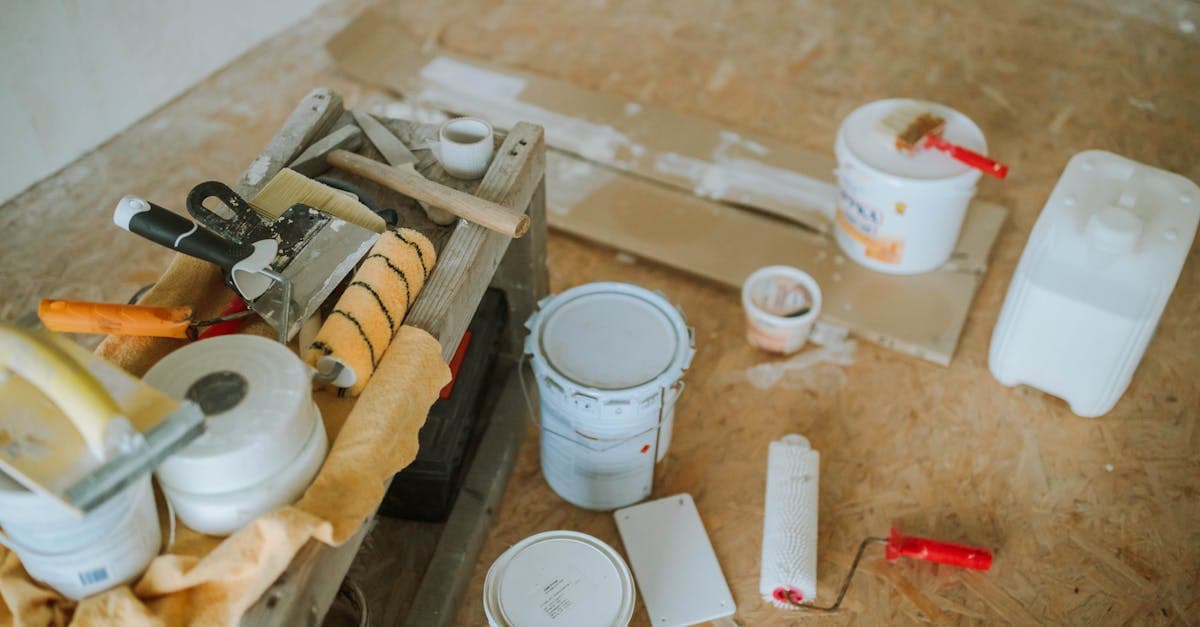
A homeowner completes three upgrades over two years: a $40,000 kitchen remodel, a $15,000 bathroom renovation, and a $12,000 deck addition. The total investment is $67,000. The homeowner never contacts the insurance agent about any of these improvements.
Let's break this down further. A year later, a fire destroys the kitchen and damages the bathroom and deck. The insurance adjuster calculates repair costs based on the upgraded features — but the dwelling coverage limit still reflects the pre-renovation home. The gap between the coverage limit and the actual repair cost is nearly $50,000. The homeowner pays the difference out of pocket.
This scenario is preventable. Updating your insurance after each upgrade is growing your insurance coverage in tandem with your home's improvements so the protective canopy always extends over every new branch and leaf. A five-minute call to your agent after each renovation would have increased the dwelling coverage limit incrementally, and the additional premium would have been a fraction of the coverage gap.
The lesson is straightforward: every significant home upgrade should trigger an insurance conversation. Whether the upgrade increases replacement cost, creates liability, or qualifies for a discount, your insurer needs to know about it.
Home Upgrades That Increase Your Liability Exposure
Let's break this down further. Some home improvements make your property more enjoyable but also introduce risks that increase your liability exposure. Understanding these risks ensures you carry adequate liability coverage. Without it, the stunted canopy that stopped growing years ago while the home beneath it expanded with new rooms, better systems, and upgraded features that outgrew the protection above.
Swimming pools: Pools are the most significant liability-increasing upgrade. Drowning risk, slip-and-fall injuries, and diving accidents create substantial exposure. Most insurers require pool disclosure, adequate fencing, and may require increased liability limits or an umbrella policy. Some insurers will not cover pools without specific safety features.
Trampolines: Trampolines cause thousands of injuries annually. Many insurers exclude trampoline injuries entirely through a policy endorsement, while others require safety nets, padding, and restricted access. Installing a trampoline without informing your insurer could leave injury claims uncovered.
Hot tubs and spas: Similar to pools, hot tubs create drowning, burn, and slip-and-fall risks. Cover locks, proper fencing, and temperature controls may be required by your insurer. Liability exposure is lower than pools but still significant.
Tree houses and play structures: Elevated play structures introduce fall risk for children. While most policies cover standard play equipment, elaborate tree houses or multi-story play structures may require additional liability consideration.
Dog runs and kennels: If you install facilities for multiple dogs, your liability exposure increases. Some breeds face coverage restrictions or exclusions, and housing multiple animals intensifies the liability profile.
Fire pits and outdoor fireplaces: Open flames create burn and fire spread risk. Proper installation, clearance from structures, and fuel management are important for both safety and insurance purposes. Permanent fire features add to replacement cost while introducing liability considerations.
The liability solution: For most liability-increasing upgrades, the combination of adequate homeowners liability limits and an umbrella policy provides comprehensive protection at reasonable cost.
Maximizing Insurance Discounts From Home Upgrades
Think of it this way. Many homeowners leave money on the table by completing risk-reducing upgrades without notifying their insurer. Proactively reporting improvements that qualify for discounts is growing your insurance coverage in tandem with your home's improvements so the protective canopy always extends over every new branch and leaf. Here is how to ensure every eligible upgrade earns its discount.
Document the upgrade: Keep receipts, invoices, and completion certificates for every improvement that may qualify for a discount. Your insurer may require proof of installation, especially for wind mitigation and security system credits.
Request a wind mitigation inspection: In hurricane-prone states, a wind mitigation inspection documents features like hip roofs, reinforced roof-to-wall connections, storm shutters, and impact-resistant openings. The inspection report can unlock significant discounts — sometimes 20 to 40 percent in Florida alone.
Provide security system monitoring certificates: For security system discounts, your insurer typically needs a certificate from the monitoring company confirming professional monitoring is active. Request this certificate and provide it to your agent.
Report roof replacements immediately: Call your agent as soon as your new roof is installed. Provide the contractor's invoice showing the roofing material, installation date, and any impact-resistant ratings. Premium reductions for new roofs are often applied mid-term.
Ask about bundled smart home discounts: If you have installed multiple smart devices — leak detectors, smoke alarms, security cameras, thermostats — ask whether your insurer offers a bundled smart home discount that combines individual device credits.
Review discounts at every renewal: Use your annual renewal as an opportunity to verify that every eligible discount is still applied. Discounts for upgrades completed in prior years should carry forward, but system changes or policy migrations can sometimes drop credits.
Home Upgrades That Increase Your Replacement Cost
Let's break this down further. Every home improvement that adds value, quality, or square footage to your home increases the cost to rebuild it after a loss. Your dwelling coverage must reflect this higher replacement cost — otherwise you are underinsured by the exact amount of your improvement investment. Maintaining adequate coverage is the new growth ring that expands your coverage canopy every time an upgrade adds value and complexity to the home your insurance tree must shelter.
Kitchen remodels: Custom cabinetry, granite or quartz countertops, premium appliances, tile backsplash, and specialty lighting can add $25,000 to $75,000 or more to your home's replacement cost. The kitchen is typically the most expensive room per square foot to rebuild, and upgrades amplify this cost significantly.
Bathroom renovations: Premium tile, custom vanities, heated floors, frameless glass showers, and luxury fixtures add $10,000 to $40,000 per bathroom to replacement cost. A master bathroom remodel with high-end finishes can approach kitchen remodel costs.
Room additions: Adding square footage is the most direct way to increase replacement cost. At current construction costs of $150 to $300 per square foot, a 200-square-foot room addition adds $30,000 to $60,000 in replacement cost, plus finish costs.
Finished basements: Converting raw basement space to finished living area adds $20,000 to $60,000 in replacement cost for framing, drywall, flooring, electrical, and HVAC. The transformation from storage to living space significantly changes the rebuilding equation.
Premium flooring: Upgrading from carpet or vinyl to hardwood, tile, or stone throughout your home can add $10,000 to $30,000 in replacement cost. Premium flooring materials are significantly more expensive to replace after a loss than standard materials.
Outdoor living spaces: Attached decks, screened porches, sunrooms, and outdoor kitchens all increase replacement cost. Depending on size and finish level, these additions can add $10,000 to $50,000 or more to the rebuilding estimate.
Smart Home Technology and Security Upgrades: Discounts and Coverage
Think of it this way. Smart home technology and security upgrades represent a growing category of improvements that primarily affect insurance through premium discounts rather than replacement cost increases. Understanding which technologies qualify for savings maximizes your return on these investments.
Monitored security systems: Professional monitoring of burglar and fire alarms is the most established discount-earning technology. Discounts typically range from 5 to 20 percent depending on the system features and the insurer. Central station monitoring that dispatches emergency services earns the largest discounts.
Smart water leak detectors: Devices that detect water leaks and can automatically shut off the water supply are increasingly recognized by insurers. Water damage is one of the most common and expensive homeowners claims, and prevention technology that reduces this risk is valued by underwriters.
Smart smoke and carbon monoxide detectors: Connected smoke detectors that alert homeowners remotely and can notify the fire department automatically provide faster response to fire events. Some insurers offer credits for these advanced detection systems.
Video doorbell cameras and surveillance: Security cameras and smart doorbells deter package theft and break-ins. While the direct premium impact is modest, these devices contribute to a comprehensive security profile that insurers view favorably.
Smart thermostats: Thermostats that detect unusual temperature drops and alert homeowners can prevent frozen pipe damage during winter. The insurance savings are typically small but contribute to the overall smart home discount package some insurers offer.
Comprehensive smart home discounts: Some insurers now offer bundled smart home discounts for homes equipped with multiple connected devices — combining leak detection, security, smoke detection, and temperature monitoring into a single discount program.
Documenting Home Upgrades for Insurance Purposes
Let's break this down further. Proper documentation of home upgrades strengthens your insurance position by supporting accurate replacement cost calculations and speeding up the claims process if your improved home is damaged.
Receipts and invoices: Keep every receipt and contractor invoice for home improvement projects. These documents establish the cost of each upgrade and provide the evidence your insurer needs to verify replacement cost increases.
Before and after photographs: Photograph each project before work begins and after completion. These photos document the scope of the improvement and the quality of materials and finishes installed. In a claim, they demonstrate what existed before the damage occurred.
Contractor documentation: Keep contractor agreements, scope of work documents, and completion certificates. These records establish that work was done professionally and to code, which supports both your coverage position and your claim credibility.
Permit records: If your renovation required building permits, keep copies of the permits and final inspection certificates. Permitted work demonstrates code compliance, which insurers value when assessing risk and processing claims.
Maintain a home improvement log: Create a simple document that lists every improvement by date, description, cost, and contractor name. Update this log after each project and share it with your insurance agent at annual reviews. This running record ensures no improvement is forgotten or unreported.
Digital backup: Store all documentation digitally — cloud storage or a dedicated email folder — so it survives if physical copies are destroyed in a loss. Having your improvement documentation accessible after a disaster when your home files may be gone is essential for the claims process.
Mechanical and System Upgrades: How They Affect Your Coverage
Let's break this down further. Upgrading your home's mechanical systems — electrical, plumbing, HVAC, and water heating — affects insurance in ways that are often overlooked. These upgrades change both replacement cost and risk profile, creating both coverage needs and discount opportunities.
Electrical system upgrade: Replacing old wiring, upgrading from a fuse box to a circuit breaker panel, and increasing electrical capacity are among the most insurance-friendly upgrades. Outdated electrical systems are a leading cause of house fires, and modernization reduces this risk significantly. Some insurers require electrical updates before writing policies on older homes.
Plumbing system upgrade: Replacing galvanized steel or polybutylene pipes with copper or PEX reduces burst pipe and water damage risk. Adding a whole-house water shutoff valve with leak detection provides additional protection and may qualify for premium credits.
HVAC replacement: A new furnace, air conditioner, or heat pump replaces aging equipment that could cause fire or water damage. Modern systems with better efficiency and safety features improve your risk profile. The new system's replacement cost should be reflected in your dwelling coverage.
Water heater upgrade: Replacing a traditional tank water heater with a tankless model eliminates the risk of catastrophic tank failure that can release 40 to 80 gallons of water into your home. Some insurers recognize this risk reduction with premium credits.
Whole-house generator: A permanently installed generator with an automatic transfer switch protects your home during extended power outages. It prevents frozen pipe damage in winter and food spoilage, reducing potential claim costs. The generator itself adds to replacement cost as a permanently installed system.
Solar panel installation: Rooftop solar panels add $15,000 to $30,000 or more in replacement cost. Some insurers offer green energy discounts while others view the roof-mounted equipment as additional risk. Notify your insurer before installation to understand coverage implications.
Insurance Coverage During the Renovation Process
Think of it this way. The renovation period itself creates insurance considerations that many homeowners overlook. While your home is under construction, it faces elevated risks that your standard policy may not fully address.
Standard policy during renovation: Your homeowners policy remains in effect during renovations, but certain construction activities may introduce risks not contemplated by a standard policy. Open walls, exposed wiring, and construction materials on site create hazards that did not exist before the project.
Builder's risk coverage: For major renovations — particularly additions, second stories, and whole-house remodels — your agent may recommend a builder's risk policy or endorsement. This coverage protects the construction work in progress from damage during the renovation period.
Contractor insurance requirements: Verify that your contractor carries their own liability insurance and workers' compensation coverage. If a contractor's employee is injured on your property and the contractor does not carry workers' comp, the claim may fall to your homeowners liability coverage.
Vacancy and occupancy concerns: If you vacate your home during a major renovation, your policy's vacancy clause may apply. Many policies restrict coverage after a home is vacant for 30 to 60 days. Discuss extended vacancy with your agent if you plan to live elsewhere during construction.
Theft during renovation: Open structures, unlocked areas, and visible construction materials can attract theft. Your homeowners policy covers theft, but construction materials owned by the contractor may not be covered under your policy — they are the contractor's responsibility.
Updating coverage during the project: For lengthy renovations, consider updating your dwelling coverage limit partway through the project as significant milestones are completed. This ensures coverage keeps pace with the increasing replacement cost as work progresses.
Roof and Exterior Upgrades: Premium Impact and Coverage Changes
Let's break this down further. Exterior upgrades — particularly roofing — have the most direct impact on insurance premiums because they affect the components most frequently damaged by covered perils. Understanding the insurance implications of exterior work helps you maximize both protection and savings.
Roof replacement: A new roof resets the age clock that many insurers use for pricing and coverage decisions. Policies that limit older roofs to actual cash value may provide full replacement cost for new roofs. The premium impact depends on the new material, with architectural shingles, metal, tile, and impact-resistant options each carrying different pricing.
Roof material upgrades: Upgrading from three-tab asphalt shingles to architectural shingles, metal, tile, or slate changes both replacement cost and risk profile. Metal and tile roofs cost more to replace but last longer and resist damage better, often qualifying for premium discounts.
Siding replacement: New siding affects replacement cost based on the material chosen. Fiber cement, engineered wood, and stone veneer cost more to install and replace than vinyl but offer better durability and fire resistance.
Window replacement: Energy-efficient and impact-resistant windows can earn premium discounts while increasing replacement cost. In hurricane zones, impact-rated windows and doors qualify for significant wind mitigation credits.
Exterior painting and stucco: While basic repainting does not significantly affect coverage, replacing stucco, adding stone veneer, or upgrading exterior finishes increases replacement cost and should be reflected in your coverage.
Garage door replacement: In wind-prone areas, a wind-rated garage door earns premium discounts because the garage door is often the weak point during high winds. Upgrading to a reinforced door reduces the risk of structural failure during storms.
Your Responsibilities as a Home Upgrading Consumer
As a homeowner who invests in improvements, you have a responsibility to keep your insurance current. Your insurer cannot track your renovations. Your agent cannot update your coverage without your input. And your policy cannot protect improvements it does not know about.
Take ownership of the connection between your home improvements and your insurance coverage. Report significant upgrades promptly. Claim available discounts proactively. And review your coverage annually against the reality of your improved home.
The most protected homeowners are those who close the loop between every improvement and their insurance policy. The renovation is not truly complete until the insurance reflects it.
Continue reading

How to Compare Home Insurance Quotes Without Getting Confused
Home insurance quotes can be overwhelming with their coverage categories, endorsement options, and pricing variables. A structured comparison approach cuts through the complexity and reveals the best option.

How Often Should You Really Review Your Insurance Policies?
Annual reviews are the minimum, but major life events, market changes, and claim experiences should trigger additional reviews. Understanding the right frequency prevents both over-reviewing and under-reviewing.

Assignment of Benefits Reform: What New Laws Mean for Policyholders
Several states have passed AOB reform laws that add consumer protections including rescission periods, notice requirements, and limits on attorney fees. These reforms change the AOB landscape.