Other Structures Coverage for Gazebos, Pergolas, and Outdoor Living Spaces

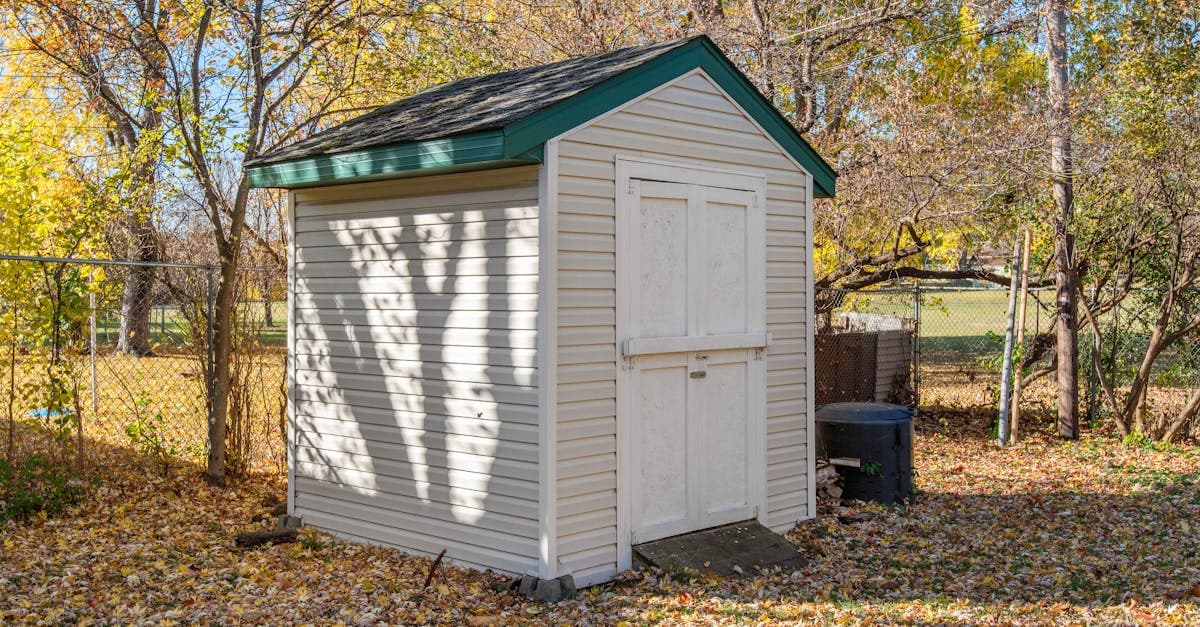
A strong line of thunderstorms pushes through your area on a Saturday afternoon. Straight-line winds reach 80 miles per hour. When you step outside after the storm passes, the damage is scattered across your property. Sixty feet of your wooden privacy fence is flattened. A large tree branch punched through the roof of your detached garage. And your backyard storage shed was knocked off its foundation and partially collapsed.
Let's break this down further. This is exactly the scenario other structures coverage addresses. Coverage B on your homeowners policy pays to repair the fence, fix the garage roof, and rebuild or replace the damaged shed. Each of these structures is detached from your main home, which means they fall under Coverage B rather than your dwelling coverage.
Other structures coverage exists for moments like this: growing a coverage ecosystem that nourishes every structure on your lot, from the main home at the center to the farthest fence post at the boundary. It transforms scattered property damage across your entire lot into a single manageable insurance claim. Without it, you would face thousands of dollars in repair costs for structures you assumed were protected.
The critical question is whether your Coverage B limit is sufficient. If your fence replacement costs $8,000, the garage roof repair costs $12,000, and the shed replacement costs $6,000, the total is $26,000. That fits within a $40,000 Coverage B limit, but homeowners with more extensive detached structures could easily exceed the default amount.
How the Coverage B Limit Works and When to Increase It
Let's break this down further. Your other structures coverage limit is typically calculated as a percentage of your dwelling coverage — most commonly 10 percent. Understanding how this limit works and when it needs to be increased is critical to ensuring your detached structures are fully protected.
The 10 percent default: On a homeowners policy with $400,000 in dwelling coverage, the default Coverage B limit is $40,000. This $40,000 must cover the repair or replacement of every detached structure on your property combined. It is a shared pool, not a per-structure limit.
When the default is adequate: For properties with minimal detached structures — a small storage shed and a basic fence — the 10 percent default may be sufficient. If the total replacement cost of all detached structures is well below the default limit, no adjustment is needed.
When the default falls short: Properties with detached garages ($25,000 to $55,000 to rebuild), extensive fencing ($5,000 to $15,000), workshops ($15,000 to $40,000), pool houses ($20,000 to $60,000), or multiple outbuildings can easily exceed the default limit. Any property where the combined replacement cost of detached structures exceeds 10 percent of the dwelling limit needs a Coverage B increase.
How to increase your limit: Contact your insurance agent to request a Coverage B limit increase. Most insurers allow you to set Coverage B at 15, 20, or even 25 percent of your dwelling limit, or at a specific dollar amount. The additional premium for increasing Coverage B is typically modest — often $50 to $150 per year for a meaningful limit increase.
Reviewing after property changes: Any time you add a detached structure — building a shed, installing a fence, constructing a gazebo — contact your agent to review your Coverage B limit. The new structure increases the total replacement cost of your detached buildings.
The inventory approach: Create a list of every detached structure on your property, estimate the replacement cost of each, and add them up. Compare the total to your Coverage B limit. This simple exercise reveals whether your coverage is adequate or whether a gap exists.
How Your Deductible Works With Other Structures Claims
Think of it this way. Your homeowners deductible applies to Coverage B claims the same way it applies to dwelling coverage claims. Understanding the deductible's impact on other structures claims helps you make informed decisions about filing and about your deductible level.
One deductible per occurrence: If a single storm damages your detached garage, shed, and fence, you pay one deductible for the entire claim — not a separate deductible for each structure. All damage from the same covered event is treated as one occurrence.
Deductible impact on small claims: Many other structures claims involve relatively modest amounts — a $3,000 fence repair, a $2,000 shed roof fix. With a $2,500 deductible, a $3,000 claim yields only $500 from insurance. Consider whether filing a small claim is worthwhile given the deductible and potential impact on your claims history.
Percentage deductibles and Coverage B: In areas with hurricane or wind deductibles based on a percentage of your dwelling coverage, the same deductible applies to Coverage B claims triggered by the same named storm. A 2 percent deductible on a $400,000 dwelling policy is $8,000 — which could exceed the total damage to your detached structures.
Separate event, separate deductible: If a windstorm damages your fence in March and a tree falls on your shed in June, these are separate occurrences with separate deductibles. Each event requires its own deductible payment.
Strategic deductible considerations: Homeowners with multiple detached structures may want to consider their deductible level in the context of likely Coverage B claims. A lower deductible provides more meaningful payouts on the moderate-sized claims that are typical for other structures, while a higher deductible reduces premiums but may make small to mid-size claims uneconomical to file.
Combined dwelling and other structures claims: When the same event damages both your main home and detached structures, both Coverage A and Coverage B are triggered by the same occurrence. You pay only one deductible for the combined claim, not separate deductibles for each coverage section.
Seasonal Maintenance and Preventive Care for Detached Structures
Let's break this down further. While Coverage B protects your detached structures from covered perils, maintaining those structures in good condition supports your coverage and reduces the risk of damage. This preventive approach is about growing a coverage ecosystem that nourishes every structure on your lot, from the main home at the center to the farthest fence post at the boundary.
Annual structural inspections: Walk around each detached structure at least once a year and inspect for signs of deterioration — sagging roofs, rotting wood, loose siding, rusted hardware, and foundation issues. Addressing these maintenance items prevents damage from worsening and supports your Coverage B claims.
Roof maintenance on detached buildings: Detached garage and shed roofs are as vulnerable to aging as your main home's roof. Inspect roofing materials for missing, cracked, or lifted shingles. Clean gutters and downspouts on structures that have them. Replace worn roofing before leaks develop.
Fence maintenance: Inspect fence posts for rot at ground level, check rails and pickets for loose or missing hardware, and ensure gates operate properly. Replace deteriorated components promptly — coverage may be affected if the insurer determines that poor maintenance contributed to storm damage.
Storm preparation: Before storm season, secure loose items around detached structures, check anchoring on sheds and small buildings, and reinforce garage doors. These steps reduce damage risk and demonstrate the reasonable care insurers expect.
Tree management near structures: Trim branches that overhang detached structures, remove dead limbs that could fall during storms, and consider removing trees that pose a direct threat to outbuildings. Tree maintenance is one of the most effective ways to prevent Coverage B claims.
Documentation of maintenance: Keep records and photographs of maintenance work performed on detached structures. This documentation supports your claims by demonstrating that the structure was properly maintained before the loss — countering any insurer argument that maintenance failure contributed to the damage.
Pool Houses, Gazebos, and Outdoor Living Structures Under Coverage B
Let's break this down further. The trend toward elaborate outdoor living spaces has increased the value and importance of other structures coverage. Pool houses, gazebos, outdoor kitchens, and entertainment pavilions represent significant investments that require adequate Coverage B protection.
Pool house coverage: A detached pool house can cost $20,000 to $80,000 or more to build depending on size, finishes, and features. When storm, fire, or other covered perils damage the structure, Coverage B pays for repairs. The pool house alone may represent a large portion of your Coverage B limit.
In-ground pool structures: The pool shell, coping, decking, and equipment enclosure are covered under Coverage B as permanent structures. Damage from fallen trees, lightning strikes, and other covered perils triggers a claim. Mechanical equipment damage from covered events is also included.
Gazebo coverage: Freestanding gazebos range from $3,000 for basic prefabricated models to $25,000 or more for custom-built structures with electrical, ceiling fans, and built-in seating. Wind damage and fallen trees are the most common threats.
Outdoor kitchen structures: A detached outdoor kitchen with built-in grill, countertops, cabinetry, and a roof structure can cost $15,000 to $50,000 or more. These structures are covered under Coverage B when they stand apart from the main home.
Pavilions and entertainment areas: A covered pavilion or entertainment area with permanent posts, roofing, and features like ceiling fans, lighting, and built-in speakers represents a significant other structures investment. Storm damage to the structure triggers Coverage B.
The aggregate impact: A property with a pool house, gazebo, outdoor kitchen, and fencing can easily have $100,000 or more in detached structure value. On a policy with a $40,000 Coverage B limit, the gap is enormous. Inventorying these structures and adjusting your limit is essential for properties with extensive outdoor living improvements.
How Coverage B Interacts With Other Homeowners Policy Coverages
Think of it this way. Other structures coverage does not operate in isolation — it works alongside dwelling coverage, personal property coverage, liability coverage, and other policy components. Understanding these interactions ensures complete protection across your entire property.
Coverage B and Coverage A (dwelling): These two coverages handle different categories of structures on your property. Coverage A protects the main home and attached structures. Coverage B protects everything detached. Their limits are independent — a shortfall in Coverage B cannot be supplemented by unused Coverage A funds.
Coverage B and Coverage C (personal property): Coverage B protects the physical structure of detached buildings. Coverage C protects the contents inside those buildings. When a fire destroys your detached workshop, Coverage B pays to rebuild the structure while Coverage C pays to replace the tools, equipment, and supplies stored inside.
Coverage B and Coverage D (loss of use): If a detached structure that serves as a living space — such as a guest house or ADU occupied by a family member — becomes uninhabitable due to a covered loss, Coverage D may provide additional living expenses for the displaced occupants.
Coverage B and liability (Coverage E): If someone is injured in or around a detached structure on your property — a guest trips on a broken step in your gazebo or a child is hurt on a playset — your liability coverage responds to the injury claim. Coverage B handles the structural damage while liability handles the injury.
Coverage B and debris removal: After a major loss to a detached structure, removing destroyed materials is part of the recovery. Debris removal costs are typically included within your Coverage B limit, though some policies provide additional debris removal coverage.
The percentage relationship: Because Coverage B is typically set as a percentage of your dwelling coverage limit, increasing your dwelling coverage automatically increases Coverage B if you maintain the default percentage. However, this automatic relationship should be verified — the percentage-based increase may not match the actual increase in detached structure replacement costs.
Pool Houses, Gazebos, and Outdoor Living Structures Under Coverage B
Let's break this down further. The trend toward elaborate outdoor living spaces has increased the value and importance of other structures coverage. Pool houses, gazebos, outdoor kitchens, and entertainment pavilions represent significant investments that require adequate Coverage B protection.
Pool house coverage: A detached pool house can cost $20,000 to $80,000 or more to build depending on size, finishes, and features. When storm, fire, or other covered perils damage the structure, Coverage B pays for repairs. The pool house alone may represent a large portion of your Coverage B limit.
In-ground pool structures: The pool shell, coping, decking, and equipment enclosure are covered under Coverage B as permanent structures. Damage from fallen trees, lightning strikes, and other covered perils triggers a claim. Mechanical equipment damage from covered events is also included.
Gazebo coverage: Freestanding gazebos range from $3,000 for basic prefabricated models to $25,000 or more for custom-built structures with electrical, ceiling fans, and built-in seating. Wind damage and fallen trees are the most common threats.
Outdoor kitchen structures: A detached outdoor kitchen with built-in grill, countertops, cabinetry, and a roof structure can cost $15,000 to $50,000 or more. These structures are covered under Coverage B when they stand apart from the main home.
Pavilions and entertainment areas: A covered pavilion or entertainment area with permanent posts, roofing, and features like ceiling fans, lighting, and built-in speakers represents a significant other structures investment. Storm damage to the structure triggers Coverage B.
The aggregate impact: A property with a pool house, gazebo, outdoor kitchen, and fencing can easily have $100,000 or more in detached structure value. On a policy with a $40,000 Coverage B limit, the gap is enormous. Inventorying these structures and adjusting your limit is essential for properties with extensive outdoor living improvements.
How Coverage B Interacts With Other Homeowners Policy Coverages
Think of it this way. Other structures coverage does not operate in isolation — it works alongside dwelling coverage, personal property coverage, liability coverage, and other policy components. Understanding these interactions ensures complete protection across your entire property.
Coverage B and Coverage A (dwelling): These two coverages handle different categories of structures on your property. Coverage A protects the main home and attached structures. Coverage B protects everything detached. Their limits are independent — a shortfall in Coverage B cannot be supplemented by unused Coverage A funds.
Coverage B and Coverage C (personal property): Coverage B protects the physical structure of detached buildings. Coverage C protects the contents inside those buildings. When a fire destroys your detached workshop, Coverage B pays to rebuild the structure while Coverage C pays to replace the tools, equipment, and supplies stored inside.
Coverage B and Coverage D (loss of use): If a detached structure that serves as a living space — such as a guest house or ADU occupied by a family member — becomes uninhabitable due to a covered loss, Coverage D may provide additional living expenses for the displaced occupants.
Coverage B and liability (Coverage E): If someone is injured in or around a detached structure on your property — a guest trips on a broken step in your gazebo or a child is hurt on a playset — your liability coverage responds to the injury claim. Coverage B handles the structural damage while liability handles the injury.
Coverage B and debris removal: After a major loss to a detached structure, removing destroyed materials is part of the recovery. Debris removal costs are typically included within your Coverage B limit, though some policies provide additional debris removal coverage.
The percentage relationship: Because Coverage B is typically set as a percentage of your dwelling coverage limit, increasing your dwelling coverage automatically increases Coverage B if you maintain the default percentage. However, this automatic relationship should be verified — the percentage-based increase may not match the actual increase in detached structure replacement costs.
Attached vs Detached: How to Determine Which Coverage Applies
Think of it this way. The dividing line between dwelling coverage and other structures coverage is physical attachment to the main home. Understanding this distinction prevents confusion during the claims process and ensures each structure is covered under the correct policy section.
The attachment test: If a structure shares a wall, roof, or structural connection with your main home, it falls under dwelling coverage (Coverage A). If it is separated from the main home by clear space — even if connected by a sidewalk, breezeway, or fence — it is an other structure under Coverage B.
Attached garages vs detached garages: An attached garage that shares a wall with your home is covered under dwelling coverage. A detached garage that stands separately — even if only a few feet from the house — is covered under Coverage B. This distinction applies even if a covered walkway connects the two.
Covered porches and patios: A covered porch that shares a roof or wall with the main home is dwelling coverage territory. A freestanding patio cover, pergola, or pavilion in the backyard is an other structure under Coverage B.
Breezeways and connecting structures: A breezeway that physically connects your home to a detached garage creates a gray area. In most policies, the breezeway may be considered part of the dwelling if it is permanently attached and enclosed, or it may be classified as an other structure if it is open-sided or not permanently enclosed.
The practical impact: Misclassifying a structure can create coverage problems during a claim. If you assume your detached garage is covered under your dwelling coverage limit, you may not realize that its loss reduces your Coverage B limit — potentially leaving other detached structures underfunded.
When in doubt, ask: If you are unsure whether a structure qualifies as attached or detached for coverage purposes, ask your insurance agent for clarification. The agent can review your policy language and confirm which coverage section applies to each structure on your property.
Your Rights and Responsibilities as a Coverage B Consumer
As a consumer, you have important rights regarding your other structures coverage. You have the right to know your Coverage B limit and how it was calculated. You have the right to increase the limit beyond the default if your detached structures warrant it. You have the right to choose your own contractor for Coverage B repairs. And you have the right to a fair and prompt claims process.
You also have responsibilities. You are responsible for maintaining your detached structures in reasonable condition. You are responsible for disclosing all detached structures to your insurer, including any used for business or rental purposes. You are responsible for mitigating damage after a loss. And you are responsible for verifying that your Coverage B limit is adequate.
The most prepared homeowners are those who have inventoried their detached structures, verified their Coverage B limit, and documented each building with photographs and replacement cost estimates before a loss occurs.
Do not wait for a storm to reveal that your other structures coverage is inadequate. Review your Coverage B limit today, compare it to the actual replacement cost of your detached structures, and close any gaps before the next covered peril tests your protection.
Continue reading

How to Compare Home Insurance Quotes Without Getting Confused
Home insurance quotes can be overwhelming with their coverage categories, endorsement options, and pricing variables. A structured comparison approach cuts through the complexity and reveals the best option.

How Often Should You Really Review Your Insurance Policies?
Annual reviews are the minimum, but major life events, market changes, and claim experiences should trigger additional reviews. Understanding the right frequency prevents both over-reviewing and under-reviewing.

Assignment of Benefits Reform: What New Laws Mean for Policyholders
Several states have passed AOB reform laws that add consumer protections including rescission periods, notice requirements, and limits on attorney fees. These reforms change the AOB landscape.