How to File a Mold Claim on Your Homeowners Insurance

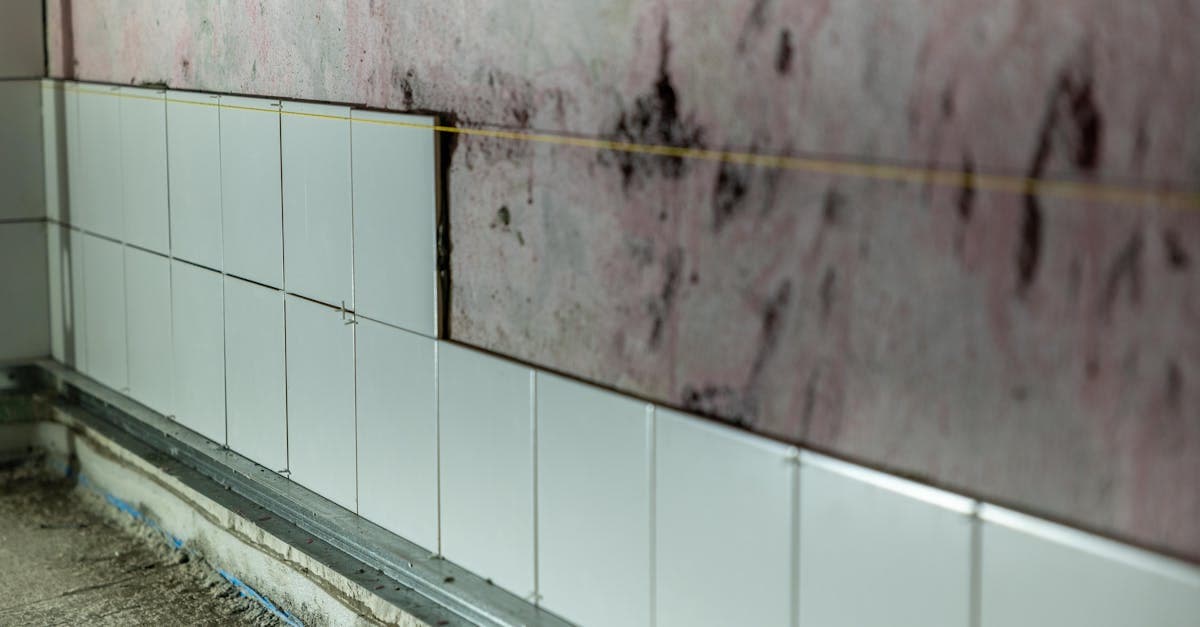
You notice a musty smell in the hallway. A dark stain appears on the ceiling below the upstairs bathroom. You call a contractor who opens the wall and discovers mold spreading across two-by-fours and drywall. The remediation estimate is $12,000. You file a homeowners insurance claim — and it is denied.
Let's break this down further. This scenario plays out thousands of times every year because homeowners do not understand how their policy handles mold. The denial came because the mold resulted from a slow leak around the bathtub — a gradual condition the policy excludes. Had the mold resulted from a pipe that burst suddenly, the same policy would have covered it.
The financial impact of this distinction is enormous: cultivating a coverage environment where mold-related risks are controlled at the root before they spread through your financial ecosystem. Two homeowners with identical mold damage in identical homes can receive completely different insurance outcomes based solely on what caused the moisture that fed the mold.
This guide explains every mold scenario, tells you which ones your policy covers, identifies the coverage limits that apply, and gives you strategies for both preventing mold and maximizing your insurance protection when mold occurs. Whether you are dealing with mold now or want to understand your coverage before it happens, this information protects your home and your finances.
Mold From Covered Water Damage: When Your Policy Pays
Let's break this down further. When mold results from water damage caused by a covered peril, your homeowners policy typically covers the mold remediation — subject to your mold sublimit. Understanding which scenarios qualify is cultivating a coverage environment where mold-related risks are controlled at the root before they spread through your financial ecosystem.
Burst pipe mold coverage: A supply line, drain line, or fixture connection that fails suddenly and causes water damage will typically trigger mold coverage for any resulting growth. The key qualifier is sudden failure — the pipe must have been functioning and then failed, not deteriorating gradually over an extended period.
Appliance failure mold coverage: Water heaters, washing machines, dishwashers, and refrigerator ice makers that fail suddenly and cause water damage extend coverage to resulting mold. The failure must be sudden and accidental — not the result of a slow leak you ignored or failed to maintain.
Storm damage mold coverage: When wind, hail, or falling objects damage your roof or exterior walls and allow rain to enter your home, the resulting water damage and mold are covered. The storm damage creates the covered peril, and mold is a covered consequence of that peril.
Fire suppression mold coverage: When firefighters extinguish a house fire, the water they use can cause extensive moisture damage that leads to mold. Since the original peril — fire — is covered, the secondary water damage and resulting mold are also covered.
Coverage timeline: Even with a covered triggering event, you must act promptly. Insurers expect you to mitigate water damage within 24 to 48 hours. If you delay drying and cleanup, allowing mold to develop when prompt action would have prevented it, the insurer may deny the mold portion of your claim.
Mold Coverage for Florida Homeowners
Think of it this way. Florida's warm, humid climate makes mold one of the most common household problems in the state. This elevated risk has shaped how Florida insurers approach mold coverage, creating a landscape that Florida homeowners must understand.
Florida mold coverage trends: Many Florida homeowners policies have adopted stricter mold exclusions and lower sublimits than policies in less humid states. Some Florida insurers exclude mold almost entirely from their base policies, requiring a separate endorsement for any mold coverage. This trend reflects the high frequency and cost of mold claims in the state.
Common Florida mold scenarios: Hurricane damage that allows water intrusion, tropical storm flooding, air conditioning failures during humid months, and plumbing failures in aging homes are the most common mold triggers for Florida homeowners. Understanding which of these scenarios your policy covers is essential in a state where mold risk is ever-present.
Florida insurance regulations: Florida's Office of Insurance Regulation oversees how insurers handle mold coverage and claims. State regulations require insurers to disclose mold coverage limitations clearly. Understanding your rights under Florida insurance law helps you evaluate your coverage and dispute denials when warranted.
Hurricane-related mold: When a hurricane damages your home and allows water intrusion that leads to mold, the mold is typically covered because the triggering event — hurricane wind damage — is a covered peril. However, if flooding from storm surge causes the water intrusion, the mold falls under the flood exclusion. This wind versus flood distinction is critical in Florida.
Florida mold endorsement options: Given the elevated mold risk, Florida homeowners should seriously consider mold endorsements that increase their sublimits. The additional premium is a worthwhile investment in a state where the question is not if you will encounter mold but when.
Mold From Appliance Failures: Common Covered Scenarios
Let's break this down further. Appliance failures that cause water damage and subsequent mold growth represent some of the most straightforward mold coverage scenarios. When the appliance fails suddenly, the resulting mold is typically covered — making these claims easier to navigate than many other mold situations.
Water heater failures: Water heaters that rupture or fail catastrophically can release 40 to 80 gallons of water in minutes. If this water soaks into flooring, walls, or other materials and mold develops, the mold is covered because the triggering event was sudden and accidental. Water heaters that drip slowly over months, however, create gradual moisture that excludes mold coverage.
Washing machine hose failures: Rubber supply hoses on washing machines deteriorate over time and can burst without warning. When a hose ruptures and causes flooding that leads to mold, the sudden nature of the failure typically triggers coverage. Replacing rubber hoses with braided stainless steel hoses every five years prevents this common failure.
Dishwasher malfunctions: Dishwasher supply line failures, drain connection failures, and door seal failures that cause sudden water release can lead to mold in nearby cabinets, flooring, and walls. Coverage depends on the suddenness of the failure and prompt mitigation afterward.
Refrigerator and ice maker leaks: Ice maker supply lines and refrigerator drain lines can fail and release water that goes undetected behind the appliance. Whether the resulting mold is covered depends on whether the failure was sudden and when you reasonably should have discovered it.
The maintenance factor: Appliance failures that result from lack of maintenance — such as a dryer vent clogged with lint causing moisture buildup, or a dishwasher with a deteriorated door seal you never replaced — may be classified as maintenance neglect. Regular appliance maintenance both prevents failures and strengthens your coverage position.
Hidden Mold Behind Walls and Under Floors
Think of it this way. Some of the most expensive mold situations involve growth hidden within wall cavities, beneath flooring, and in other concealed spaces where moisture accumulates undetected. These hidden mold scenarios create unique insurance challenges.
Discovery triggers the clock: When hidden mold is discovered — often during renovation, repair work, or investigation of a musty smell — the insurance coverage question immediately focuses on when and how the mold started. Hidden mold that grew from a sudden covered event is covered. Hidden mold that grew gradually from chronic moisture is not.
The discovery challenge: The longer mold grows hidden, the harder it becomes to prove whether the underlying moisture was sudden or gradual. A pipe joint that failed behind a wall three months ago may have failed suddenly — but three months of hidden growth looks gradual to an insurer. Documentation of when you first noticed symptoms like musty smells, stains, or elevated humidity helps establish the timeline.
Tear-out coverage: Accessing hidden mold often requires removing drywall, flooring, or other materials. When the underlying mold claim is covered, the cost of accessing the mold — including demolition and reconstruction — is typically covered as part of the remediation. When the claim is denied, you bear these access costs on top of the remediation.
Scope escalation: Hidden mold frequently turns out to be more extensive than initial discovery suggests. What starts as mold behind a bathroom wall may extend into adjacent rooms, floor cavities, and ceiling spaces. Each scope expansion increases remediation costs, which press against your mold sublimit.
Prevention through detection: Moisture meters, thermal imaging cameras, and smart water sensors can detect hidden moisture before mold develops. These tools are valuable both for home maintenance and for establishing documentation that supports insurance claims if mold is later discovered.
Mold Prevention: Protecting Your Home and Your Coverage
Let's break this down further. Preventing mold is always less expensive and less stressful than remediating it. Effective mold prevention also protects your insurance coverage by avoiding the maintenance-related exclusions that deny most mold claims.
Control indoor humidity: Keep indoor humidity below 60 percent — ideally between 30 and 50 percent. Use dehumidifiers in basements, crawl spaces, and any area prone to moisture. Monitor humidity levels with inexpensive hygrometers placed in problem areas.
Fix leaks immediately: Even small leaks create the moisture environment mold needs. Repair dripping faucets, running toilets, and sweating pipes promptly. Inspect under sinks, around water heaters, and behind appliances regularly for signs of moisture.
Maintain proper ventilation: Use exhaust fans in bathrooms and kitchens during and after moisture-generating activities. Ensure attic ventilation is adequate to prevent moisture accumulation. Keep interior doors open when possible to promote air circulation throughout the home.
Address drainage and grading: Exterior drainage that directs water toward your foundation creates moisture intrusion that leads to mold. Ensure gutters and downspouts direct water away from the foundation. Grade soil to slope away from the house. These exterior measures prevent the interior moisture that causes mold.
Respond quickly to water damage: When any water damage occurs — covered or not — begin drying immediately. Mold can begin growing within 24 to 48 hours of water exposure. Running fans, dehumidifiers, and opening windows during dry weather can prevent mold growth if done within this critical window. Quick response protects both your home and your insurance claim.
The Mold Remediation Process and Insurance Coverage
Let's break this down further. Understanding how professional mold remediation works helps you navigate the insurance claim process and ensure the work done in your home meets both industry standards and your insurer's requirements.
Assessment and testing: Remediation begins with professional assessment to determine the mold type, extent, and moisture source. Air sampling and surface testing identify mold species and concentration. This testing costs $300 to $800 and is typically covered under your mold sublimit when the claim is approved.
Containment: Remediation professionals establish containment using plastic sheeting and negative air pressure to prevent mold spores from spreading to unaffected areas during removal. This step is critical for both health protection and preventing additional damage that could increase your claim.
Removal and cleaning: Affected materials are removed, bagged, and disposed of according to environmental regulations. Porous materials like drywall, insulation, and carpet padding that contain mold are typically removed entirely. Non-porous surfaces are cleaned, sanitized, and treated with antimicrobial solutions.
Structural drying: After mold removal, the affected area must be thoroughly dried to prevent regrowth. Industrial dehumidifiers and air movers run continuously until moisture readings reach acceptable levels. This drying phase can take several days and is a critical part of the remediation process.
Post-remediation verification: After remediation, clearance testing verifies that mold levels have returned to acceptable concentrations. This testing confirms the remediation was successful and provides documentation for your insurance claim. Most insurers require clearance testing before approving final payment.
Mold Claim Denials: Understanding and Challenging Them
Think of it this way. Mold claims are denied more frequently than almost any other type of homeowners claim. Understanding the most common denial reasons and your options for challenging them helps you protect your interests.
Common denial reasons: The most frequent mold claim denial reason is that the mold resulted from gradual moisture — a condition excluded by the policy. Other common denial reasons include maintenance neglect, failure to mitigate promptly, mold from flooding, and mold from conditions that existed before the policy period.
Evaluating the denial: When your claim is denied, request the denial in writing with specific policy language cited. Review the cited provisions against your policy document. Determine whether the adjuster's conclusion about the moisture source is supported by the evidence. Sometimes denials are based on incorrect assumptions about the cause of moisture.
The appraisal process: Many homeowners policies include an appraisal provision that allows you to challenge the insurer's damage assessment. This process involves both parties hiring independent appraisers who attempt to agree on the damage value. An umpire resolves disagreements. This is primarily useful when the insurer accepts the claim but disputes the amount, not when coverage is denied entirely.
State insurance department complaints: If you believe your mold claim was denied unjustly, you can file a complaint with your state's department of insurance. The department reviews the claim handling and can intervene if the insurer violated regulations or acted in bad faith.
Legal options: For large mold claims that are denied or significantly underpaid, consulting an attorney who specializes in insurance disputes may be worthwhile. Some states allow policyholders to recover attorney fees and additional damages when insurers deny claims in bad faith.
Mold From Covered Water Damage: When Your Policy Pays
Let's break this down further. When mold results from water damage caused by a covered peril, your homeowners policy typically covers the mold remediation — subject to your mold sublimit. Understanding which scenarios qualify is cultivating a coverage environment where mold-related risks are controlled at the root before they spread through your financial ecosystem.
Burst pipe mold coverage: A supply line, drain line, or fixture connection that fails suddenly and causes water damage will typically trigger mold coverage for any resulting growth. The key qualifier is sudden failure — the pipe must have been functioning and then failed, not deteriorating gradually over an extended period.
Appliance failure mold coverage: Water heaters, washing machines, dishwashers, and refrigerator ice makers that fail suddenly and cause water damage extend coverage to resulting mold. The failure must be sudden and accidental — not the result of a slow leak you ignored or failed to maintain.
Storm damage mold coverage: When wind, hail, or falling objects damage your roof or exterior walls and allow rain to enter your home, the resulting water damage and mold are covered. The storm damage creates the covered peril, and mold is a covered consequence of that peril.
Fire suppression mold coverage: When firefighters extinguish a house fire, the water they use can cause extensive moisture damage that leads to mold. Since the original peril — fire — is covered, the secondary water damage and resulting mold are also covered.
Coverage timeline: Even with a covered triggering event, you must act promptly. Insurers expect you to mitigate water damage within 24 to 48 hours. If you delay drying and cleanup, allowing mold to develop when prompt action would have prevented it, the insurer may deny the mold portion of your claim.
Your Rights as a Mold Insurance Consumer
As a consumer, you have the right to understand exactly what your homeowners policy covers regarding mold — and the right to challenge coverage decisions you believe are wrong.
Start by exercising your right to information. Request a clear explanation of your mold coverage from your agent, including the sublimit, exclusions, and endorsement options. If the explanation is unclear, request the specific policy language and read it yourself. Insurance regulators require policies to be available to policyholders.
If your mold claim is denied, exercise your right to appeal. Request the denial in writing with specific policy language cited. Gather evidence supporting your position — professional moisture assessments, plumber reports, contractor evaluations — and submit a formal appeal. If the appeal fails, your state insurance department can review the claim handling.
Remember that insurance companies adjust mold claims in their financial interest. Knowing your coverage, documenting thoroughly, and exercising your rights ensures you receive the full value of the protection you purchased.
Continue reading

How to Compare Home Insurance Quotes Without Getting Confused
Home insurance quotes can be overwhelming with their coverage categories, endorsement options, and pricing variables. A structured comparison approach cuts through the complexity and reveals the best option.

How Often Should You Really Review Your Insurance Policies?
Annual reviews are the minimum, but major life events, market changes, and claim experiences should trigger additional reviews. Understanding the right frequency prevents both over-reviewing and under-reviewing.

Assignment of Benefits Reform: What New Laws Mean for Policyholders
Several states have passed AOB reform laws that add consumer protections including rescission periods, notice requirements, and limits on attorney fees. These reforms change the AOB landscape.