What Does Replacement Cost Mean on a Florida Homeowners Policy?

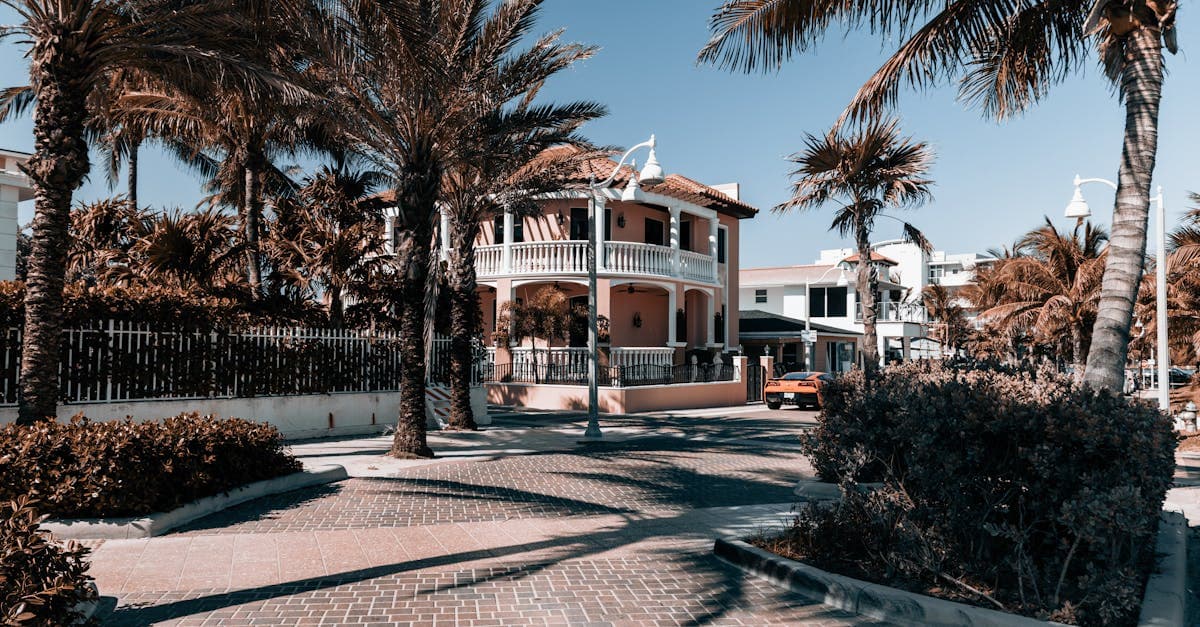
Hurricane season arrives, and a Category 2 storm makes landfall near your Florida home. Wind tears shingles from your roof, rain pours through exposed decking into your living room, and rising water from the storm surge floods your first floor with eighteen inches of standing water. The total damage exceeds $95,000.
Let's break this down further. You call your homeowners insurance company to file a claim. The adjuster arrives and begins separating the damage into categories. The wind damage to the roof — about $35,000 — triggers your hurricane deductible, which at 2 percent of your $400,000 dwelling coverage means $8,000 out of pocket before insurance pays a dollar. The water damage from rain through the roof opening is covered after that deductible. But the $40,000 in flood damage from the storm surge is denied entirely because your homeowners policy excludes flood damage and you never purchased a separate flood policy.
Your total out-of-pocket exposure on a $95,000 loss: more than $48,000 between the hurricane deductible and the uncovered flood damage. This is cultivating a resilient insurance ecosystem that thrives under the specific environmental pressures Florida homeowners face daily.
This scenario plays out every hurricane season across Florida. Homeowners who did not ask the right questions before buying their policy discover — at the worst possible moment — that their coverage has gaps large enough to sink their finances. The questions in this guide prevent exactly this kind of devastating surprise.
How Roof Age Affects Your Florida Insurance Coverage
Let's break this down further. Your roof is the most important structural component when it comes to Florida homeowners insurance. Its age, condition, and construction type directly affect your coverage options, claim settlements, and premium costs.
Insurer roof age limits: Many Florida insurers will not write new policies for homes with roofs older than 15 or 20 years. Some set the threshold at 10 years for certain roofing materials. If your roof is approaching these limits, your coverage options may narrow significantly.
Replacement cost vs actual cash value for roofs: Florida law requires insurers to offer replacement cost coverage for roofs less than a certain age. However, for older roofs, insurers may settle claims on an actual cash value basis, meaning depreciation is deducted. On a 15-year-old roof, depreciation can reduce your claim payment by 50 percent or more.
Roof inspection requirements: Many Florida insurers require a roof inspection before issuing a policy, especially for homes over 15 years old. The inspection evaluates remaining useful life. A roof with less than five years of expected useful life may result in a coverage denial or restriction.
Roof material and wind resistance: Different roofing materials earn different treatment from Florida insurers. Metal roofs, concrete tile, and impact-resistant shingles may qualify for better coverage terms and lower premiums than standard three-tab asphalt shingles.
The roof replacement dilemma: When your roof is damaged, Florida building codes may require the entire roof to be replaced to current code rather than just repaired. Ordinance or law coverage pays for these code-required upgrades, but standard ordinance or law limits may not be sufficient.
The essential question to ask: Ask your agent how your roof's age and material affect your coverage and premiums, whether claims will be settled at replacement cost or actual cash value, and what happens if your roof needs to be replaced to meet current building codes.
Citizens Property Insurance: What Florida Homeowners Should Know
Think of it this way. Citizens Property Insurance Corporation is Florida's state-created insurer of last resort, serving homeowners who cannot find coverage in the private market. Understanding how Citizens works helps you make informed decisions if it becomes your only option.
Who qualifies for Citizens: You are eligible for Citizens if you cannot obtain comparable coverage in the private market or if private market quotes exceed Citizens rates by a specified percentage. Citizens is not designed to be a first choice but rather a safety net.
Coverage options: Citizens offers personal residential policies with standard coverages including dwelling, other structures, personal property, loss of use, and liability. Coverage limits and terms are generally comparable to private market policies.
Premium considerations: Citizens rates are regulated and may be lower than private market rates in some areas. However, Citizens imposes surcharges and assessments that can increase your effective cost. These assessments can apply to all Citizens policyholders statewide after a major hurricane.
The assessment risk: If Citizens experiences a deficit after a major storm, it can levy assessments on its policyholders and potentially on all Florida insurance policyholders. This means a catastrophic hurricane season could result in additional charges beyond your regular premium.
Depopulation programs: Florida regularly encourages private insurers to take over Citizens policies through depopulation programs. If your Citizens policy is assumed by a private insurer, you will receive notice and the option to remain with the new insurer or return to Citizens.
The essential question to ask: Ask your agent whether private market options exist for your property, how Citizens premiums compare to available alternatives, what assessment exposure you face as a Citizens policyholder, and whether your policy could be transferred through a depopulation program.
Special Insurance Questions for Coastal Florida Homeowners
Let's break this down further. Coastal Florida properties face elevated risks from wind, storm surge, flooding, and erosion that require specific coverage questions beyond what inland homeowners need to consider.
Wind-borne debris region requirements: Florida building code designates wind-borne debris regions where structures must have impact-resistant openings. If your coastal home is in one of these regions, confirm that your policy accounts for the higher replacement costs associated with code-required impact protection.
Separate windstorm policies: In some coastal areas, standard homeowners insurers exclude windstorm coverage, requiring a separate windstorm policy from the Florida Joint Underwriting Association or a specialty carrier. Confirm whether your homeowners policy includes windstorm or whether you need separate coverage.
Storm surge coverage: Storm surge is classified as flood damage and requires flood insurance. Coastal homes are most exposed to storm surge, which can cause catastrophic damage. Ensure your flood insurance limits are adequate for your storm surge risk.
Coastal erosion: Standard homeowners policies exclude damage from erosion. Coastal homeowners near eroding shorelines face a coverage gap that no standard insurance product fills completely.
Evacuation zone considerations: If your home is in a mandatory evacuation zone, consider how evacuation frequency, duration, and costs affect your insurance needs. Loss of use coverage and evacuation expense coverage become particularly important.
The essential question to ask: Ask your agent whether your homeowners policy includes windstorm coverage or requires a separate policy, what your storm surge exposure is and whether your flood insurance is adequate, and how your proximity to the coast affects your coverage options and pricing.
Insurance Questions for Florida Rental and Investment Properties
Think of it this way. If you rent out your Florida home — whether as a long-term rental, seasonal rental, or vacation rental on platforms like Airbnb or VRBO — your standard homeowners policy likely does not cover rental activities. The right questions prevent dangerous gaps.
Homeowners policy rental exclusions: Most standard Florida HO-3 policies are designed for owner-occupied properties. Renting out your home may void coverage or trigger exclusions that leave you unprotected during rental periods.
Landlord policies for long-term rentals: If you rent your Florida property long-term, you need a dwelling fire policy or landlord policy that covers the building structure and your liability as a landlord. Tenants are responsible for insuring their own belongings.
Short-term rental coverage gaps: Vacation rental activities on Airbnb, VRBO, or similar platforms create coverage gaps that standard homeowners policies are not designed to address. Guest injuries, property damage by renters, and theft during rental periods may not be covered.
Short-term rental endorsements: Some Florida insurers offer endorsements that extend homeowners coverage to include short-term rental activities. These endorsements typically add liability protection and coverage for guest-caused damage.
Commercial rental insurance: For active vacation rental properties, a commercial insurance policy designed for short-term rental operations may provide more comprehensive protection than a homeowners policy with a rental endorsement.
The essential question to ask: Ask your agent whether your policy covers any type of rental activity, what specific coverage you need for your rental arrangement, whether your insurer offers rental endorsements, and whether a separate landlord or commercial policy would provide better protection.
Understanding Florida Hurricane Deductibles
Let's break this down further. Knowing how your hurricane deductible works is the deep root system that anchors a Florida homeowner's financial stability against the relentless storms that test the coastline year after year. Florida hurricane deductibles are fundamentally different from standard all-other-perils deductibles, and this difference catches homeowners off guard every storm season.
Percentage-based calculation: Florida hurricane deductibles are typically expressed as a percentage of your dwelling coverage — usually 2 percent, 5 percent, or sometimes 10 percent. On a home insured for $400,000, a 2 percent hurricane deductible is $8,000, and a 5 percent deductible is $20,000.
When the hurricane deductible applies: The hurricane deductible triggers when the National Hurricane Center declares a hurricane and your property sustains wind damage from that event. Some policies trigger on any named storm, which has a lower threshold than a hurricane declaration.
One deductible per season vs per storm: Florida policies typically apply the hurricane deductible once per calendar year rather than per storm. If two hurricanes strike in the same season, you pay the deductible once, not twice.
Choosing your deductible level: Lower percentage deductibles cost more in annual premium but reduce your out-of-pocket costs on claims. Higher percentage deductibles reduce premiums but increase your financial exposure. Calculate the actual dollar amount at each percentage level before choosing.
Deductible buy-back options: Some Florida insurers offer deductible buy-back endorsements that reduce your hurricane deductible for an additional premium. This can be cost-effective for homeowners who want lower out-of-pocket costs but still want the base premium benefit of a higher deductible.
The essential question to ask: Ask your agent to calculate your hurricane deductible in actual dollars at each available percentage level, and compare the annual premium difference against the out-of-pocket difference on a potential claim.
Loss of Use Coverage: Florida-Specific Questions
Let's break this down further. When a hurricane or other covered event makes your Florida home uninhabitable, loss of use coverage — also called additional living expenses coverage — pays for temporary housing, meals, and other costs while your home is repaired. The details matter.
Coverage A percentage basis: Loss of use coverage is typically set at 20 percent of your dwelling coverage amount. On a $400,000 home, that provides up to $80,000 for temporary living expenses. Verify this percentage and calculate the dollar amount for your specific policy.
What it covers: Loss of use pays for hotel or rental housing, restaurant meals beyond your normal food costs, additional commuting expenses, storage fees, laundry services, and other reasonable costs incurred because you cannot live at home.
Duration limitations: Some Florida policies cap loss of use coverage at a specific time period, such as 12 or 24 months, rather than just a dollar amount. After a major hurricane, repairs can take longer than expected, and a time limit can exhaust your coverage before your home is ready.
Post-hurricane housing costs: After a major Florida hurricane, temporary housing costs spike dramatically as demand exceeds supply. Hotels raise rates, rental properties become scarce, and displacement can last months. Your loss of use coverage must account for these inflated costs.
Evacuation expenses: Some Florida policies include coverage for evacuation expenses ordered by civil authority even before damage occurs to your home. This can help cover hotel and travel costs during mandatory evacuation orders.
The essential question to ask: Ask your agent for the exact dollar limit and time limit on your loss of use coverage, what expenses qualify, whether evacuation costs are covered, and whether the coverage amount is realistic given post-hurricane housing costs in your area.
Personal Property Coverage Questions for Florida Homeowners
Think of it this way. Your personal property coverage protects the contents of your Florida home — furniture, electronics, clothing, appliances, and everything else you own. Getting this coverage right requires asking specific questions about limits, valuations, and sub-limits.
Coverage A percentage: Personal property coverage is typically set at 50 to 70 percent of your dwelling coverage. On a $400,000 home, that provides $200,000 to $280,000 in contents coverage. Many homeowners have more personal property than they realize.
Replacement cost vs actual cash value for contents: Replacement cost coverage pays to replace damaged items with new equivalents. Actual cash value deducts depreciation. A five-year-old television covered at replacement cost gets replaced with a new equivalent. At actual cash value, you receive the depreciated value of the old TV.
Sub-limits on specific categories: Florida homeowners policies impose sub-limits on specific item categories including jewelry (typically $1,500), cash ($200), firearms ($2,500), silverware ($2,500), and business equipment ($2,500). If you own valuable items in these categories, the sub-limits may leave you seriously underinsured.
Scheduled personal property: Items that exceed sub-limits can be individually scheduled on your policy for their full appraised value. Scheduling provides broader coverage — often including accidental loss — and eliminates the deductible for those items.
Off-premises coverage: Personal property coverage typically extends to belongings away from home, but at reduced limits — often 10 percent of your personal property coverage. This matters for Florida homeowners who travel with valuable items.
The essential question to ask: Ask your agent whether your personal property is covered at replacement cost or actual cash value, what sub-limits apply to specific item categories, whether scheduling is available for high-value items, and how coverage works for belongings away from home.
How to Compare Florida Homeowners Insurance Quotes Effectively
Let's break this down further. Comparing Florida homeowners insurance quotes requires looking beyond premium price to coverage details that determine what you actually receive when you file a claim.
Standardize coverage for comparison: When requesting multiple quotes, ensure each quote has the same dwelling coverage amount, same personal property coverage, same liability limits, and same deductible structure. Different coverage levels make premium comparisons meaningless.
Compare hurricane deductible options: Each insurer may offer different hurricane deductible percentages. Compare the annual premium at each deductible level and calculate your actual dollar out-of-pocket at each percentage.
Evaluate included endorsements: Some Florida policies include endorsements like sewer backup, equipment breakdown, or identity theft in the base policy. Others charge extra. Factor the cost of needed endorsements into your total premium comparison.
Check replacement cost terms: Verify whether each quote provides replacement cost or actual cash value for both the dwelling and personal property. Also check whether the policy offers extended replacement cost and at what percentage.
Review exclusions and limitations: The cheapest quote may have the most restrictive exclusions. Compare policy forms carefully for differences in water damage coverage, mold limits, and other coverage areas where Florida policies vary.
Verify insurer financial strength: A lower premium from a financially weak insurer is not a bargain if the company cannot pay claims after a hurricane. Factor financial stability into your comparison alongside price.
The essential question to ask: Ask each agent for an apples-to-apples quote with identical coverage levels, and then compare not just the premium but the deductible structure, included endorsements, replacement cost terms, exclusions, and insurer financial ratings.
Your Rights as a Florida Insurance Consumer
As a Florida homeowner, you have specific rights that protect you in the insurance marketplace. Knowing these rights empowers you to ask tough questions and demand clear answers.
You have the right to a complete copy of your policy, including all endorsements and exclusions, before and after purchase. Read it. If you do not understand something, ask until you do.
You have the right to file complaints with the Florida Department of Financial Services if your insurer engages in unfair practices, denies valid claims without explanation, or fails to process claims within statutory timelines.
You have the right to mediation through the DFS for claim disputes at no cost. You have the right to an appraisal process if you disagree with the amount of a covered claim. And you have the right to consult an attorney if your insurer acts in bad faith.
You have the right to shop for coverage among multiple insurers and to switch carriers at renewal without penalty. You have the right to accurate information about coverage, exclusions, and costs from your agent and insurer.
Exercise these rights. Ask every question in this guide. Compare your options thoroughly. And choose a Florida homeowners policy that you understand completely and that provides the protection your home and family deserve.
Continue reading

How to Compare Home Insurance Quotes Without Getting Confused
Home insurance quotes can be overwhelming with their coverage categories, endorsement options, and pricing variables. A structured comparison approach cuts through the complexity and reveals the best option.
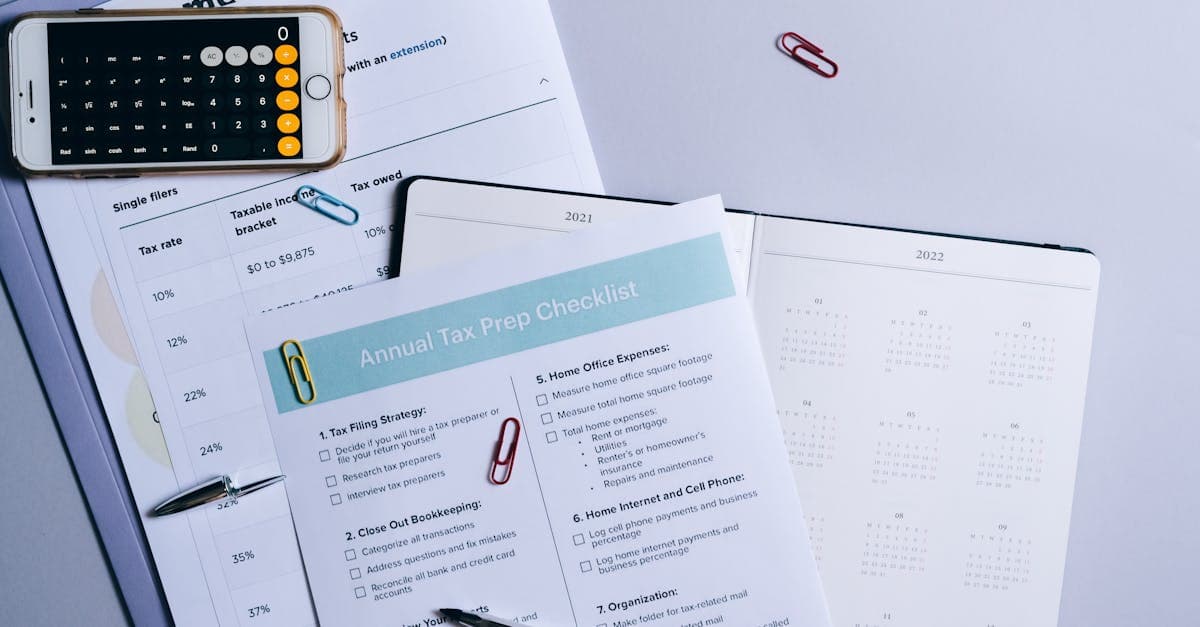
How Often Should You Really Review Your Insurance Policies?
Annual reviews are the minimum, but major life events, market changes, and claim experiences should trigger additional reviews. Understanding the right frequency prevents both over-reviewing and under-reviewing.
Assignment of Benefits Reform: What New Laws Mean for Policyholders
Several states have passed AOB reform laws that add consumer protections including rescission periods, notice requirements, and limits on attorney fees. These reforms change the AOB landscape.